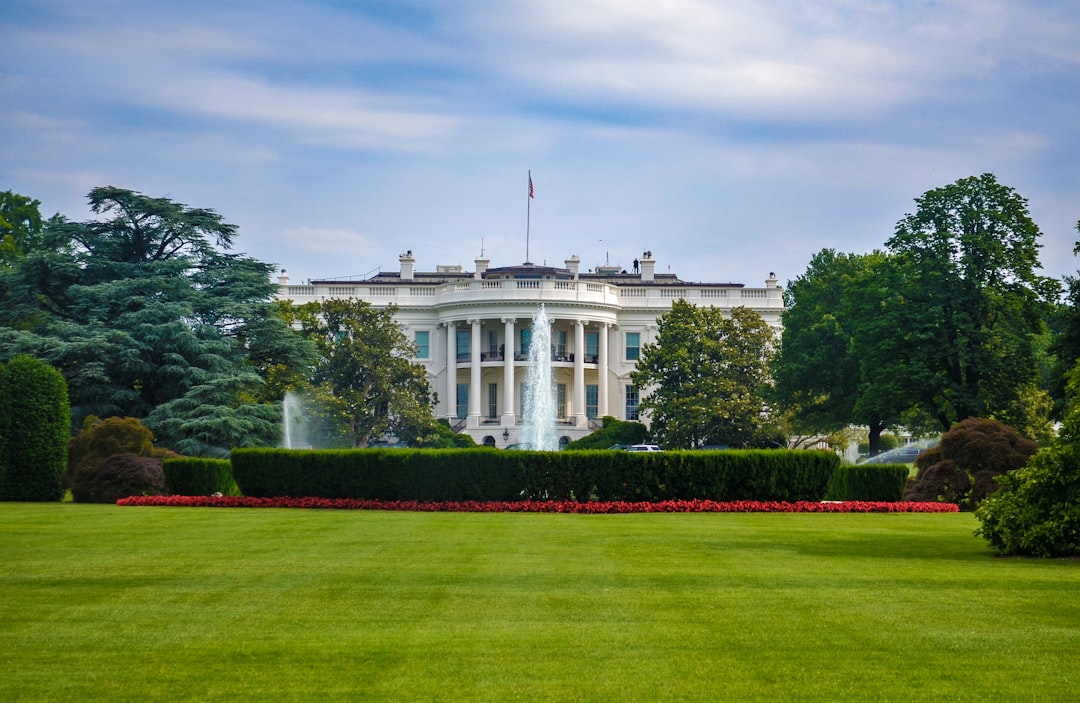
The Trump administration has asked the Supreme Court to intervene in a legal battle over federal mail-in voting rules, seeking to lift a lower court order that prevents the implementation of new security measures ahead of the November 2026 election. The request marks another escalation in the ongoing dispute between the federal government and a coalition of states regarding who holds authority over election administration.
As first reported by scotusblog.com, U.S. Solicitor General D. John Sauer filed an emergency application with the nation’s highest court on Thursday afternoon. The filing asks justices to temporarily pause a temporary restraining order issued by U.S. District Judge Indira Talwani. That order blocks specific provisions of an executive order signed by President Trump in March, which directs federal agencies to implement stricter verification processes for mail-in ballots.
The Legal Standoff
Judge Talwani issued her initial restraining order on August 27, halting the rule’s implementation for 14 days. The restriction bars the federal government from enforcing certain ballot security measures in Washington, D.C., and 23 states that challenged the executive order. Those states, led by California, argue that the president’s directive infringes upon constitutional powers reserved to the states to determine voter eligibility and manage election procedures.
The executive order contains several key provisions aimed at reducing what the administration describes as vulnerabilities in the federal mail system. It directs the Department of Homeland Security to compile lists of adult U.S. citizens and transmit them to state officials at least 60 days before any federal election. Additionally, it instructs the U.S. attorney general to prioritize investigations into state and local officials who issue federal ballots to ineligible voters.
A third provision requires states to provide the United States Postal Service with a list of voters eligible to receive mail ballots. Under the rule, the USPS would be prohibited from mailing ballots to individuals not appearing on these “enrolled” lists. The administration argues that these steps are necessary to protect the integrity of federal elections.
Supreme Court Intervention
The Trump administration first sought Supreme Court intervention on July 27, after the First Circuit Court of Appeals declined to pause Judge Talwani’s order. In response, the Supreme Court issued an unsigned 10-page opinion earlier this year that allowed the administration to proceed with implementing the executive order in certain contexts. However, Judge Talwani maintained her block on specific requirements related to ballot envelope design and voter data submission to a USPS portal.
Twelve states, led by Alabama, have joined the case in support of the Trump administration’s position. They argue that the federal government has a legitimate interest in preventing fraud and ensuring that only eligible citizens receive ballots through the postal system.
In his filing, Solicitor General Sauer argued that Judge Talwani’s order undermines efforts to secure the electoral process. He stated that the ruling “partially nullifies the Postal Service’s efforts to address the risk that the federal mails will be used to perpetrate voter fraud.” The administration contends that allowing the lower court’s block to stand would create confusion and potential delays as election officials prepare for the upcoming vote, as first reported by the SCOTUSblog.
Tight Timeline Before Election
The timing of this legal challenge is critical. North Carolina and Alabama are scheduled to begin sending ballots to voters starting September 4, just days after the White House filed its request. The temporary restraining order issued by Judge Talwani expires on September 14, leaving a narrow window for the Supreme Court to act before the election cycle intensifies.
The Supreme Court has directed the challengers to file a response by 10 a.m. EDT on Tuesday, September 8. This deadline places pressure on both sides to articulate their constitutional arguments quickly. The outcome could have significant implications for how federal and state governments interact during future election cycles.
Broader Constitutional Questions
This dispute reflects a larger tension between federal oversight and state control over elections. Proponents of the executive order argue that uniform standards are necessary to prevent fraud and maintain public confidence in the results. Opponents contend that such measures centralize power in Washington at the expense of local autonomy, violating the Tenth Amendment’s reservation of powers to the states.
The case also highlights the role of the judiciary in mediating conflicts between branches of government. By asking the Supreme Court to step in, the Trump administration is seeking a definitive ruling on whether its executive authority extends to regulating mail-in ballot procedures. A decision in favor of the White House could set a precedent for future federal interventions in election administration.
For now, the fate of the mail-in voting rule rests with the justices. Their response will determine whether the new restrictions take effect before voters head to the polls or receive their ballots by mail. The stakes are high, not only for the 2026 election but for the balance of power between federal and state authorities in American democracy.
As the deadline approaches, all eyes turn to the Supreme Court. Its decision will shape the landscape of electoral law and signal how far the executive branch can reach into matters traditionally managed by states. For taxpayers and citizens alike, the clarity provided by a final ruling is essential to ensuring fair and secure elections.