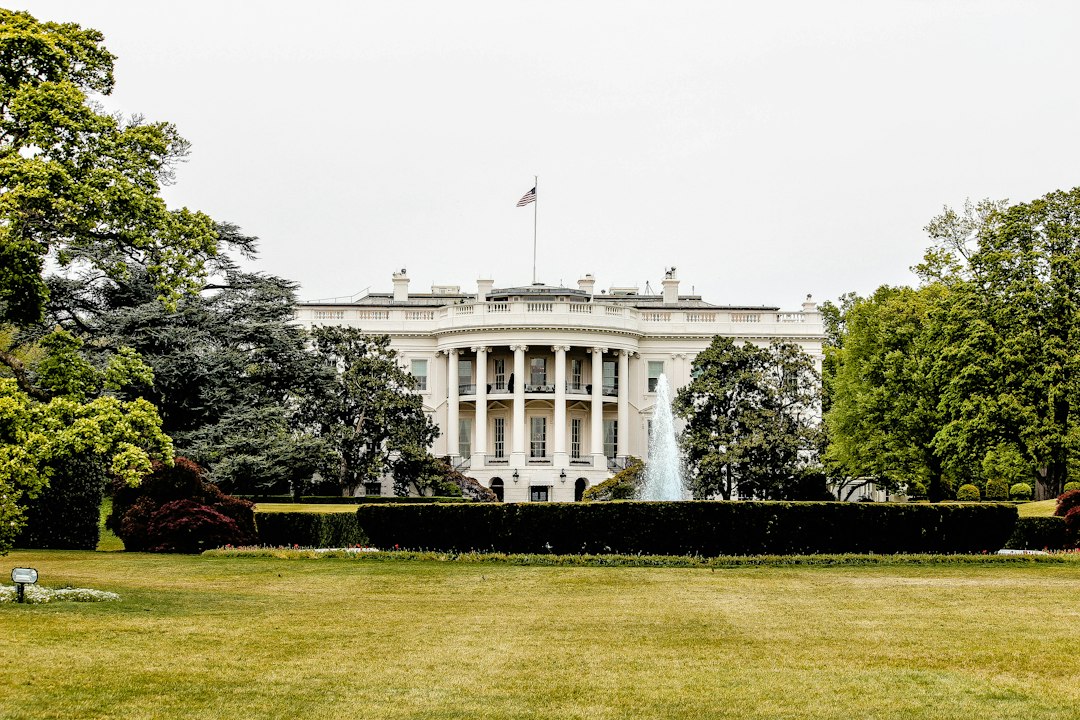
The White House executed a series of pocket rescissions on Friday, canceling approximately $100 million in education funding that Congress had explicitly appropriated for fiscal 2026. The Office of Management and Budget (OMB) processed the cuts as part of a broader $810 million package designed to eliminate spending before the federal fiscal year expires on September 30.
The administration targeted two primary education programs for cancellation: International and Foreign Language Education (IFLE) and the High School Equivalency and College Assistance Migrant Programs (HEP and CAMP). Lawmakers approved $85 million for IFLE and $52 million for HEP and CAMP in February, rejecting the administration’s earlier proposal to eliminate annual funding for these initiatives entirely. Despite congressional approval of level year-over-year funding, the White House moved to cancel $70 million of the IFLE appropriation and $25 million of the HEP and CAMP budget.
Sen. Susan Collins (R-Maine), chair of the Senate Appropriations Committee, condemned the action as illegal. The rescissions override congressional appropriations authority, a move that pits the executive branch against legislative spending decisions. The White House defended the cuts by characterizing the targeted programs as wasteful and harmful government spending. Officials specifically claimed that HEP and CAMP subsidies encourage illegal immigration, a assertion disputed by program advocates who note that undocumented immigrants are prohibited from participating in these federal grants.
Federal spending databases do not show any HEP or CAMP grants awarded to Immigrants Rising, an organization cited by the White House to justify the cuts. The administration’s characterization of the programs appears disconnected from actual award data available in public records.
Impact on Students and Institutions
The Education Department had already run grant competitions earlier this year for some of the programs now facing cancellation. In May 2025, Louis Marinelli secured a Foreign Language and Area Studies (FLAS) grant, part of the IFLE portfolio. The department canceled his grant weeks into the fall 2025 academic term. While Indiana University covered Marinelli’s spring-semester expenses, he was forced to take out loans to cover fall costs after the federal support vanished. His grant included a $20,000 stipend for living expenses that never materialized.
The department did not run a FLAS competition this year but solicited applications for other IFLE grants totaling roughly $10 million. Earlier this year, HEP and CAMP competition listings projected awards of approximately $25 million across nine institutions. The uncertainty surrounding these funds disrupts planning for colleges and students relying on federal assistance.
History of Executive Interference
This is not the first time the Trump administration has targeted these education funds. In fiscal 2025, the department canceled all active grants for International and Foreign Language Education. The agency then reprogrammed the $85 million IFLE appropriation to provide grants for historically Black colleges and universities and tribal institutions. That move followed a pattern of executive discretion overriding legislative intent.
The HEP-CAMP Association sued over the 2025 changes, securing a court order requiring the department to spend all $52 million appropriated for those programs. Despite that judicial intervention, the administration has returned to canceling funds through pocket rescissions at the end of the fiscal year. In 2025, the department discontinued more than 40 previously awarded HEP and CAMP grants and canceled planned competitions for new awards.
The Broader Fiscal Conflict
The pocket rescission authority allows the president to cancel certain discretionary spending before it is obligated, but its use remains politically contentious. Congress rejected the administration’s proposal to eliminate annual funding for IFLE and HEP/CAMP in February, signaling a clear legislative preference to maintain these programs. By executing cuts after the fact, the White House bypasses the congressional appropriations process.
The $810 million rescission package includes cuts beyond education, targeting health research, refugee aid, and minority business development. The administration argues that these funds represent inefficient use of taxpayer dollars. Critics argue that the moves undermine the separation of powers and destabilize federal funding for established programs.
The conflict highlights a growing tension between the executive branch’s desire to control spending and Congress’s constitutional power of the purse. With the fiscal year ending, the immediate impact will be felt by institutions and students who have already committed resources based on appropriated funds. The legal and political repercussions of these rescissions are likely to extend well beyond September 30.