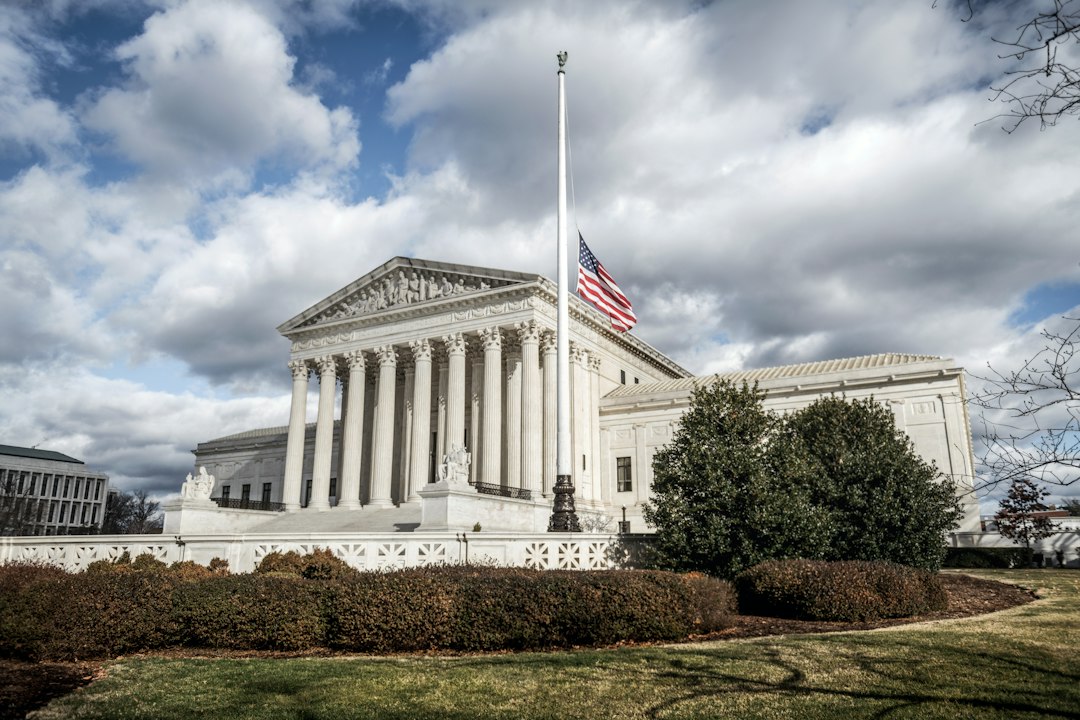
The U.S. Supreme Court agreed this term to hear Missionaries of Saint John the Baptist, Inc. v. Frederic, a case testing the limits of federal protection for religious land use against state-level zoning restrictions.
What Happened
In March 2021, the Missionaries of St. John the Baptist applied for a conditional use permit and variance to construct a grotto on their property in Park Hills, Kentucky. The structure was intended as a modest shrine honoring the Virgin Mary’s apparition to Saint Bernadette in Lourdes, France.
The Park Hills Board of Adjustment approved the permit one month after the application. However, two adjacent neighbors appealed the decision in state court. While the trial court rejected the neighbors’ objections, the Kentucky Court of Appeals reversed that ruling. The appeals court held that banning the grotto did not violate the Religious Land Use and Institutionalized Persons Act (RLUIPA). The Kentucky Supreme Court subsequently affirmed the appeals court’s decision.
The Stakes
Congress passed RLUIPA to protect houses of worship from discrimination and unreasonable government interference. First Liberty Institute, which represents the Missionaries, argues that local zoning boards cannot override federal religious liberty protections. Kelly Shackelford, President and Chief Counsel at First Liberty, criticized the lower courts’ rulings.
“Telling a church it can’t build a modest place for prayer and reflection on its own property is outrageous,” Shackelford said.
The Broader Picture
This case arrives as First Liberty prepares to argue a second matter before the high court this term, defending an Amish community in New York. The outcome in Missionaries of Saint John the Baptist, Inc. v. Frederic could clarify how strictly lower courts must apply RLUIPA when local governments deny permits for religious structures.