The Stakes
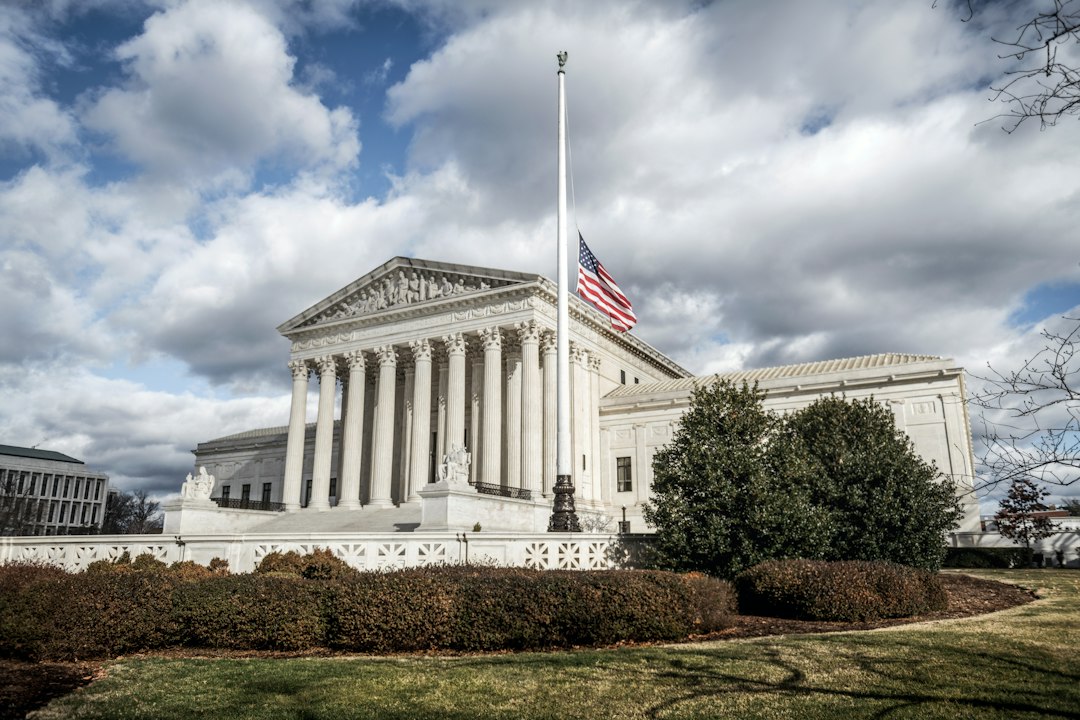
The Trump administration is asking the U.S. Supreme Court to intervene in a dispute over border enforcement authority that has halted removal operations for thousands of immigrants. The request centers on whether federal agencies can deport individuals to nations other than their countries of origin when home-country repatriation is not feasible. This legal challenge tests the limits of executive power in immigration enforcement and raises questions about how much procedural notice must be provided before removal.
What Happened
On Thursday, Sept. 25, 2026, the administration filed an emergency request with the Supreme Court seeking an immediate administrative stay of a lower court ruling that blocked third-country deportations. The government argued that the judicial mandate requires notice and an opportunity for immigrants to raise fears of persecution or torture before removal, procedures the administration says are not required by federal law.
The conflict began in February when U.S. District Judge Brian Murphy ruled the third-country removal policy unlawful. Murphy determined that the Department of Homeland Security (DHS) failed to provide meaningful notice and a chance to object to removals. The administration appealed, but on Sept. 18, the U.S. Court of Appeals for the First Circuit largely upheld the district court’s decision. The appellate court agreed that DHS must provide effective notice of destination and allow challenges if persecution or torture is feared.
The First Circuit also set aside DHS guidance governing these removals under the Administrative Procedure Act. Late Wednesday night, the circuit court dissolved its stay of the district court judgment, immediately impacting ongoing operations. In response, DHS canceled a flight carrying 70 people with criminal convictions destined for three countries and resumed diplomatic discussions with those governments.
By The Numbers
Solicitor General D. John Sauer argued that the lower courts’ requirements would significantly delay removals and disrupt final orders. He told the Supreme Court that thousands of individuals have already been removed to third countries under the policy, with thousands more remaining eligible for such transfers.
The administration maintains that DHS may promptly remove individuals when a receiving country provides credible assurances against persecution or torture. When such assurances are absent, the government stated it provides notice of the proposed destination and an opportunity to raise safety concerns. The administration contends that lower courts have imposed procedures beyond what federal law requires.
The Broader Picture
The Supreme Court must now decide whether to grant an immediate administrative stay and pause the district court judgment while further review proceeds. Third-country removals involve deporting immigrants to nations where they may have no prior ties, a practice the administration argues is necessary when individuals cannot be returned to countries identified in their removal orders.
The case highlights tensions between judicial oversight of immigration enforcement and executive branch authority to manage border security. If the Supreme Court grants the stay, DHS could resume third-country removals while the legal challenge continues. If denied, the lower court’s requirement for enhanced notice and objection opportunities would remain in effect, potentially slowing removal operations nationwide.
The administration’s request underscores its commitment to maintaining expedited removal processes despite judicial pushback. The outcome will influence how federal agencies handle complex removal cases involving multiple countries and varying levels of diplomatic cooperation.