Republican Dissent Grows on Military Action
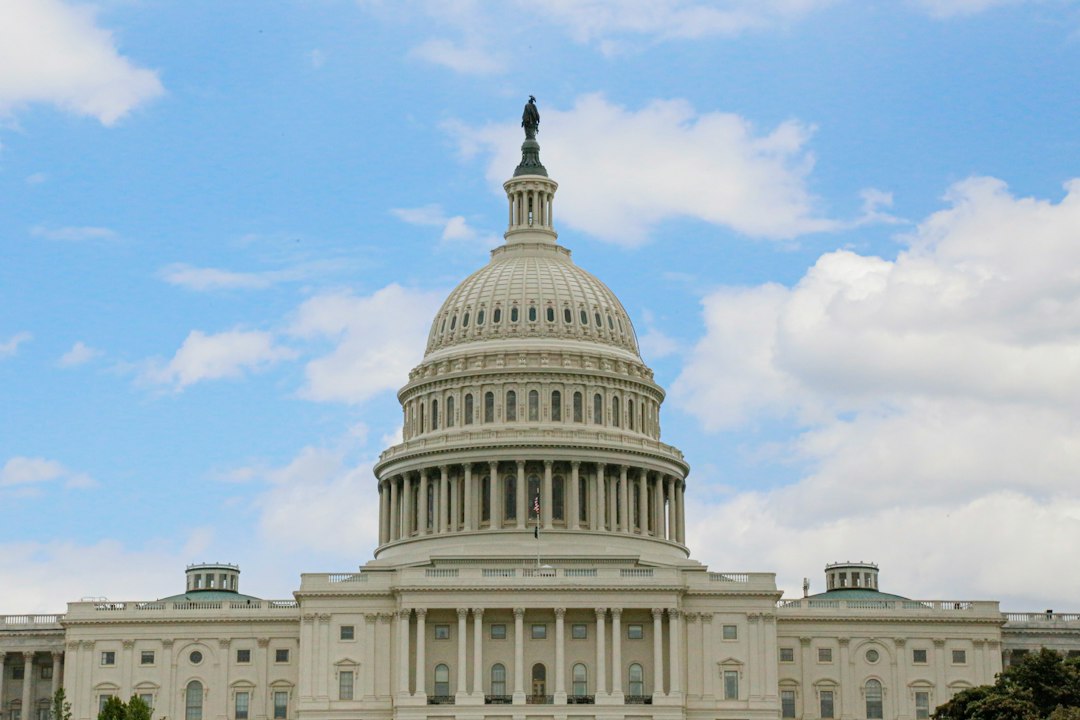
The House of Representatives considered its sixth war powers resolution on Tuesday evening, marking a significant shift in congressional support for the ongoing military conflict with Iran. Three Republican lawmakers broke with their party to vote in favor of the measure, which seeks to force the withdrawal of U.S. troops from the region.
The vote expanded the total number of Republican objectors to seven. The resolution follows months of legislative attempts to rein in executive military authority. The first three attempts at a war powers resolution failed earlier this year. A fourth measure passed in June, supported by Thomas Massie, Warren Davidson, Tom Barrett, and Brian Fitzpatrick. The Senate approved that fourth measure, but President Donald Trump refused to abide by it. A fifth resolution passed in July with the same lineup of supporters.
Mariannette Miller-Meeks of Iowa voted for the latest resolution, citing her opposition to an open-ended war. Zach Nunn, also from Iowa, joined her in support. Nunn noted that his state has paid a devastating price in the conflict. Two Iowans were among the U.S. soldiers killed by Iranian attacks as the war began at the end of February. Nunn flew 700 combat hours in the Middle East before entering Congress.
Nancy Mace of South Carolina joined Miller-Meeks and Nunn in supporting the resolution. The three Republicans represent a growing faction within the party concerned about constitutional limits on presidential war powers. The U.S. joined Israel in attacking Iran at the end of February, initiating a conflict that has drawn increasing scrutiny from lawmakers.
Impeachment Proposal Targets Defense Secretary
A Republican who lost his primary earlier this year proposed impeaching U.S. Defense Secretary Pete Hegseth. The impeachment proposal alleged constitutional transgressions, including prosecuting the war against Iran without congressional authorization. House rules appear to require the impeachment resolution be voted on by Thursday.
The chamber was scheduled to be in session on Thursday, the last time before the November 3 midterm elections. The timing of the vote places it at a critical juncture for both parties as they prepare for the upcoming election cycle.
Iowa Political Landscape Shifts
Miller-Meeks won her race two years ago by fewer than 800 votes. Her district has become a focal point for Democratic hopes of gaining ground in traditionally Republican areas. Iowa farmers struggle with higher prices for diesel, gasoline, and fertilizer. Trump implemented a tariff regime that compounds market impacts in Iowa.
Democrats believe they can oust Miller-Meeks and Nunn and win a Senate seat, the governor’s mansion, and potentially more congressional districts in Iowa this year. New York Times and Siena University polling showed likely voters preferred Democrats over Republicans for Congress by nearly nine percentage points. The past decade has seen Iowa drift consistently to the right, but current economic pressures may be shifting voter sentiment.
Previous Legislative Efforts
The legislative battle over war powers has intensified throughout 2026. Thomas Massie banded with Democrats and Republican dissidents last year to force passage of a bill requiring the release of Jeffrey Epstein files. Massie lost his primary earlier this year to Trump-endorsed Republican Ed Gallrein. Pete Hegseth campaigned for Ed Gallrein.
The failure of previous resolutions to achieve their intended effect has emboldened some lawmakers to pursue more aggressive measures. The Senate’s approval of the fourth resolution, followed by Trump’s refusal to comply, highlighted the tension between branches of government over military authority.
National Security Implications
Heavy structural damage occurred at a destroyed residential building on Qeshm Island, Hormozgan province, Iran, on September 11, 2026. The ongoing conflict has raised questions about the scope and duration of U.S. military involvement in the region.
Democrats have argued they can lower costs for Americans throughout Trump’s second term. The party is leveraging economic concerns and opposition to the war to build support among voters. Republicans control the House with a tiny majority, making each vote critical for maintaining their legislative agenda.
The growing dissent within the Republican Party on Iran policy reflects broader concerns about executive overreach and the constitutional balance of power. As the midterm elections approach, lawmakers face pressure from constituents who are increasingly wary of prolonged military engagements without clear congressional authorization.
Meanwhile, the Justice Department Charges Five Russian Operatives With Murder Plots highlights ongoing national security challenges that complicate the political landscape.