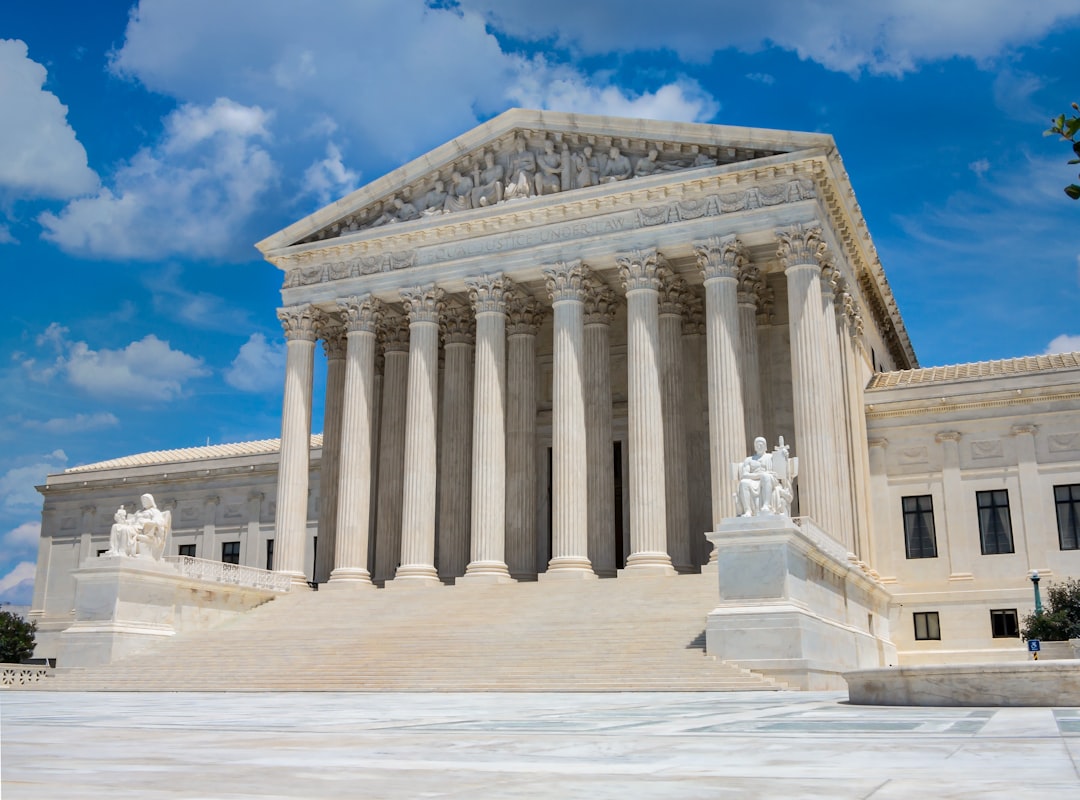
The Trump administration has returned to the U.S. Supreme Court for a third time, seeking emergency relief to enforce new federal requirements for tracking mail-in ballots just weeks before the November midterm elections. As first reported by aljazeera.com, the White House filed an urgent appeal on Sunday, September 6, 2026, asking the high court to overturn a lower court injunction that blocked the U.S. Postal Service (USPS) from implementing President Donald Trump’s executive order.
The legal battle centers on whether the federal government can mandate specific data collection and envelope-design standards for postal voting without infringing on state authority over election administration. With control of Congress at stake in the upcoming midterms, the outcome could reshape how millions of Americans cast their ballots in one of the most closely watched elections of the decade.
The Legal Standoff
The immediate trigger for the Supreme Court appeal was a ruling by U.S. District Judge Indira Talwani on Friday, September 4, 2026. Two days before the White House filed its emergency petition, Judge Talwani issued an order blocking the USPS from enforcing the president’s directives. She concluded that the executive order likely violates the Constitution because elections for federal office are conducted by the states, not the federal executive branch.
Judge Talwani emphasized the timing of the directive, noting it was issued with only two months remaining until Election Day. In her ruling, she stated that the order “threatens disenfranchisement of millions of United States citizens who seek to vote by mail.” Her decision halted the implementation of rules that would have required postal workers to track ballot envelopes and determine if they met new federal criteria for rejection, as first reported by the Al Jazeera.
In response, Solicitor General John Sauer argued in the administration’s emergency filing that the rule imposes only modest requirements. He asserted that the order does not seize control of states’ rights to administer elections. According to Sauer, the directive merely requires states to upload name, address, and barcode information of intended recipients into an online portal. He maintained that the rule does not dictate ballot content, mailing deadlines, receipt deadlines, or ballot-counting procedures.
By The Numbers
Third Appeal: This marks the third time the Trump administration has asked the Supreme Court to intervene in this specific matter. Previously, the court allowed the plan to move forward temporarily but did not rule on its ultimate legality.
Tight Timeline: Justice Ketanji Brown Jackson set a deadline of Wednesday for responses to the appeal, forcing lower courts and opposing parties to react quickly as the election approaches.
Election Proximity: The midterms are scheduled for November 2026. Judge Talwani issued her blocking order when only two months remained before voters head to the polls or send in ballots.
Voting Patterns: An analysis by the States United Democracy Center regarding the 2024 presidential election found that one in four registered Democrats voted by mail, compared to one in five registered Republicans. Opponents of the new rules argue this disparity makes the policy particularly impactful on Democratic voters.
The Broader Picture
The conflict highlights a growing tension between federal executive power and state control over election logistics. President Trump has long claimed that mail-in voting is ripe with fraud, despite lacking widespread evidence of systemic abuse. The administration’s push for stricter tracking and envelope standards reflects an effort to centralize oversight of the postal voting process.
Critics argue that imposing new federal requirements so close to an election creates confusion and administrative burdens for state election officials who have already begun sending out ballots. Some states had initiated their mail-out processes before the appeal was filed, complicating any potential reversal by the Supreme Court.
The case also underscores the political stakes of the 2026 midterms. With congressional control up for grabs, both parties are scrutinizing every aspect of the voting process. The administration’s argument rests on the premise that uniform federal standards enhance election integrity, while opponents contend that such mandates undermine state sovereignty and risk suppressing voter turnout.
President Trump himself voted by mail in previous elections, a fact noted by observers as he advances policies that critics say could disadvantage voters who rely on postal ballots. The Supreme Court’s decision on whether to grant temporary relief will determine if the USPS can enforce these new tracking rules during the final weeks of the campaign.
If the court allows the rules to stand, it would mark a significant expansion of federal involvement in election administration. If it upholds Judge Talwani’s injunction, it would reinforce the traditional role of states in managing their own electoral processes. Either way, the ruling will set a precedent for future disputes over voting access and federal oversight.
The legal fight mirrors other recent challenges to executive authority, including battles over birthright citizenship orders that have also drawn Supreme Court attention. As seen in previous conflicts regarding constitutional limits on presidential power, the judiciary remains the final arbiter when administrative actions clash with established legal frameworks.
With responses due by Wednesday, the Supreme Court faces a difficult choice: intervene to prevent potential disruption to the election process or defer to lower court findings that the executive order oversteps federal authority. The decision will resonate far beyond the 2026 midterms, shaping the balance of power in American elections for years to come.