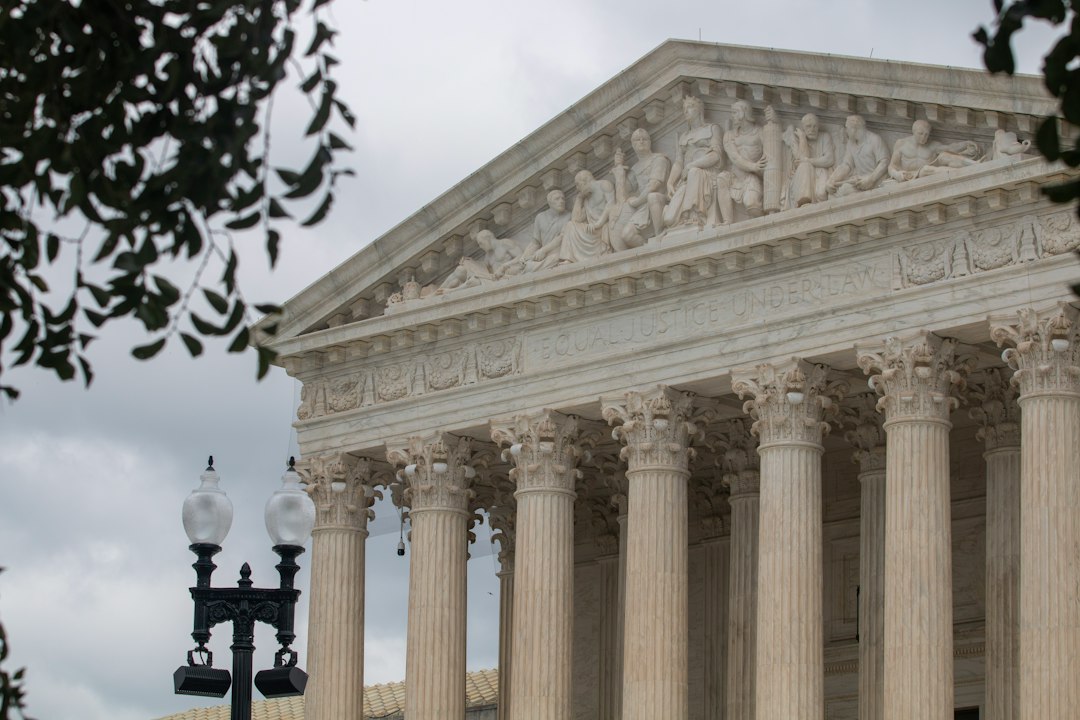
The Supreme Court is set to rule on a slate of cases this term that directly test the legal boundaries of President Donald Trump’s second-term agenda. The high court will address challenges to federal immigration enforcement, state-level restrictions on firearms, and climate litigation against major energy producers. Decisions in these matters are expected by June 2027.
The Roberts Court has historically split 6-3 in favor of conservative positions, but the current docket presents complex jurisdictional and constitutional questions that may fracture the bench. The outcomes will define the scope of executive power over border security, the reach of Second Amendment protections, and the liability of fossil fuel companies for environmental damages.
Immigration Enforcement Challenges
The administration’s aggressive approach to illegal immigration faces scrutiny in multiple filings. In Rhoney v Barbosa da Cunha, the court will examine a statutory reinterpretation that allows federal agents to detain migrants who entered illegally while their proceedings are pending. Previously, undocumented immigrants could be released on bond if they were not deemed a safety or flight risk. The new policy has driven a surge in detention center populations.
In Department of Homeland Security v DVD, the court permitted temporary deportations to third countries while legal processes continue. Immigrants argue they lacked notice and opportunity to raise concerns about potential torture or persecution in those destination nations. These cases will determine whether the executive branch can bypass traditional due process protections in the name of border security.
Second Amendment Protections
Firearms rights advocates are challenging bans on assault-style weapons in Illinois and Connecticut through Viramontes v Cook County and Grant v Higgins. Lawyers for the residents argue that AR-15s are common-use firearms and that prohibitions violate the Constitution. The court will apply a test established in 2022, which requires gun laws to align with the nation’s history and tradition of firearm ownership.
Climate Litigation and Voting Rights
The climate case Suncor Energy Inc v County Commissioners of Boulder County stems from a 2018 lawsuit filed by Colorado officials against ExxonMobil and Suncor Energy. The suit seeks damages for environmental harm caused by fossil fuel burning. Defendants argue the case belongs in federal court, not state court. Justice Samuel Alito has recused himself due to a conflict of interest, raising the possibility of a 4-4 split that would leave the lower court ruling intact without setting national precedent.
In St Mary Catholic Parish v Roy, two Catholic parishes challenge their exclusion from a state-funded preschool program. The parishes refused to sign nondiscrimination agreements and argue the exclusion violates their First Amendment rights regarding generally available state benefits. Meanwhile, Republican National Committee v Mi Familia Vota addresses two Arizona laws enacted in 2022: one requiring voter applicants to provide proof of citizenship, and another allowing officials to remove believed noncitizens from voter rolls within 90 days of an election.
The Supreme Court’s rulings will clarify the limits of federal authority and state police powers. With Justice Alito recused in the energy case, the balance of the court may shift on specific issues. The administration’s legal strategy relies on broad executive discretion, while challengers cite constitutional safeguards and historical norms. The decisions will impact taxpayers, law enforcement agencies, and civil liberties groups across the country.