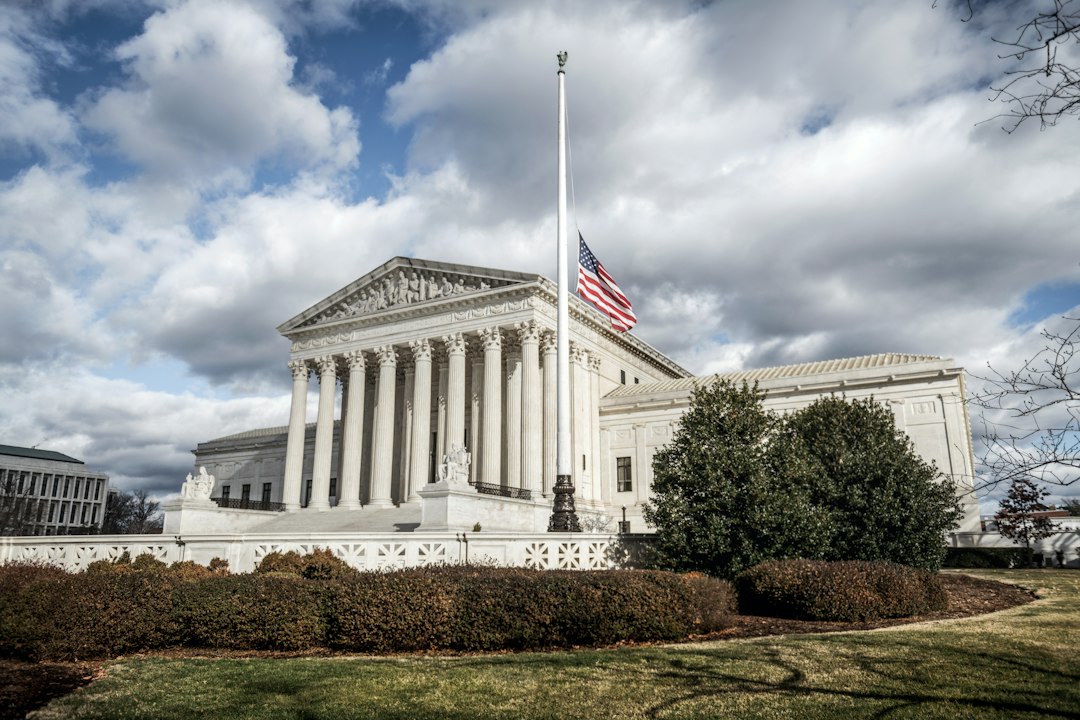
The US Supreme Court agreed Tuesday to hear arguments in a lawsuit filed by watchdog group Citizens for Responsibility and Ethics (CREW). The case concerns public records regarding Elon Musk’s Department of Government Efficiency (DOGE).
Separation of Powers at Stake
This is the second time the high court has intervened in CREW’s case. The Trump administration requested that the Supreme Court hear the case. In June 2025, the Supreme Court ruled that US District Judge Christopher Cooper had ordered the production of documents too broadly.
CREW argues DOGE is a federal agency subject to the Freedom of Information Act (FOIA). The Trump administration argues DOGE is exempt from FOIA as a presidential advisory body. Judge Cooper previously ruled in favor of CREW and ordered expedited processing of records requests. An appeals court panel sided with CREW.
The Trump administration claims the appeals court ignored separation-of-powers concerns and intruded on presidential adviser autonomy. The administration states the appeals court impermissibly authorized a sworn deposition of DOGE acting administrator Amy Gleason.
Transparency vs. Executive Privilege
CREW asserts the public has a right to know how DOGE helped overhaul government operations in 2025. CREW lawyer Nikhel Sus stated lower courts uniformly ruled CREW is entitled to records to determine if DOGE is subject to FOIA.
“Subjecting advisory bodies to intrusive discovery triggers the very concerns that Congress sought to avoid by excluding presidential advisory bodies from FOIA’s reach,” US Department of Justice lawyers wrote.
Financial Claims Under Scrutiny
DOGE claimed it slashed tens of billions of dollars in expenditures. Outside financial experts found DOGE’s savings claims difficult to verify. Federal auditors found some reported savings were incorrect, lacked evidence, or involved terminations already underway.
Legal Precedent
The case raises significant questions about the scope of executive power and transparency in government operations. The Supreme Court’s decision could set a precedent for how presidential advisory bodies are treated under FOIA.