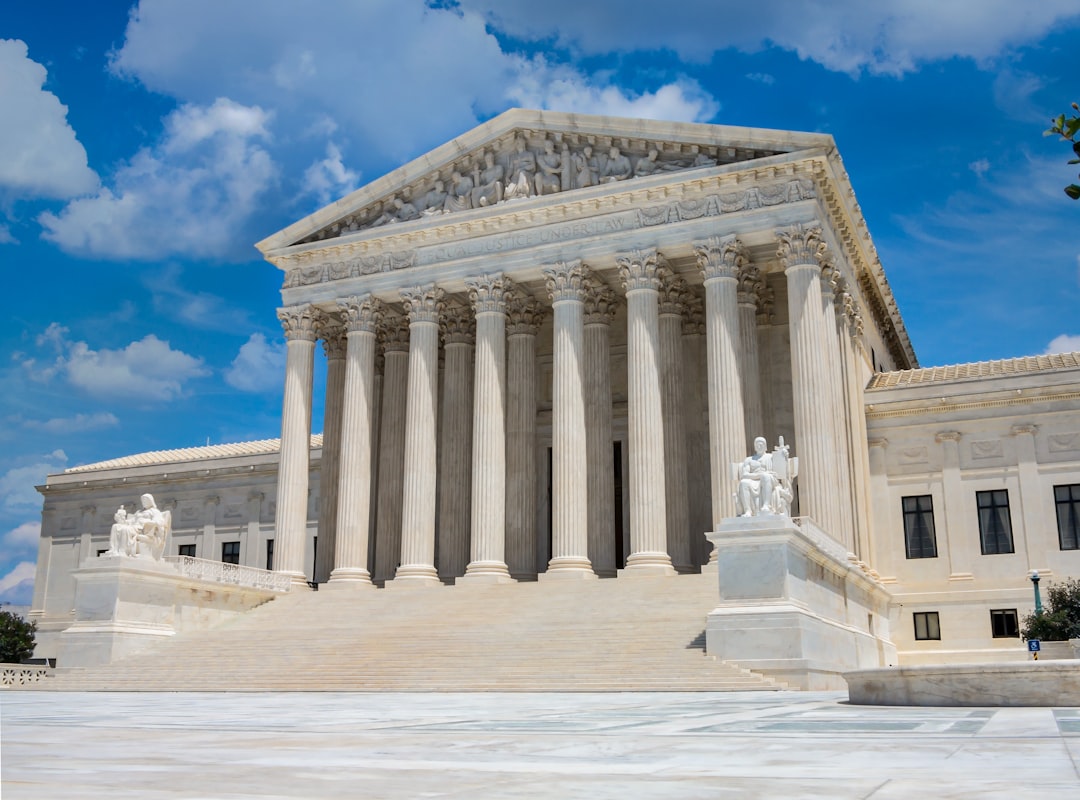
The question of who is automatically an American citizen at birth has been contested since the republic’s founding. On Monday, the U.S. Supreme Court handed down a ruling that preserves birthright citizenship for virtually every child born on American soil, striking down a Trump administration executive order that would have limited that guarantee to children of citizens or lawful permanent residents. The decision carries profound implications for immigration enforcement, constitutional interpretation, and the limits of executive authority.
What the Court Decided
Chief Justice John G. Roberts, Jr. authored the majority opinion in Trump v. Barbara, holding that the Citizenship Clause of the Fourteenth Amendment extends to every child born in the United States, regardless of whether their parents are citizens, lawful residents, or present illegally. The 26-page opinion defined the constitutional phrase “subject to the jurisdiction thereof” as encompassing anyone over whom the United States exercises governing authority within its borders.
Roberts drew a direct line from constitutional text: “a child born on American soil and subject to American law was made an American citizen.”
The Court acknowledged three narrow exceptions to birthright citizenship that have long been recognized: children of foreign diplomats, children of enemy soldiers, and members of Indian tribes under specific circumstances. Beyond those categories, the majority concluded that the executive order had no constitutional standing.
The vote on the constitutional question was 5 to 4. Justice Samuel A. Alito, Jr. and Justice Clarence Thomas each filed dissenting opinions, signaling deep disagreement with how the majority interpreted the Fourteenth Amendment’s scope. Justice Brett Kavanaugh occupied a complicated middle position: he sided with the dissenters on the constitutional question, but voted to strike down the executive order on separate statutory grounds, citing a 1952 federal law governing immigration authority.
The Administration’s Response
Vice President J.D. Vance appeared on Fox News following the ruling and framed the narrow margin as anything but a decisive defeat. He argued that a 5-4 ruling on the constitutional question signals genuine legal uncertainty, calling the current birthright citizenship standard “an absurdity to the 14th Amendment” and adding that “the concept of birthright citizenship is hanging by a thread.”
The administration made clear it has no intention of dropping the underlying policy argument. Officials indicated they plan to continue pressing their position through whatever legal or legislative avenues remain available, suggesting the battle over birthright citizenship is far from finished in Washington.
By the Numbers
5-4 — the margin by which the Court upheld birthright citizenship on constitutional grounds, far narrower than the 7-2 or 8-1 outcomes some legal analysts had anticipated before arguments.
26 pages — the length of Chief Chief Justice Roberts’s majority opinion.
3 — the number of recognized exceptions to birthright citizenship affirmed by the Court: foreign diplomats’ children, enemy soldiers’ children, and certain tribal members.
1952 — the year of the federal immigration statute Justice Kavanaugh cited as an independent basis to invalidate the executive order, indicating the administration may face statutory as well as constitutional barriers to its approach.
The Broader Stakes
This ruling arrives at a moment when federal courts have repeatedly served as the primary check on executive power during the current administration’s aggressive push on immigration. As noted in earlier coverage here, the Supreme Court’s recent decision stripping independent agency protections signaled a Court willing to expand executive authority in some domains — making this birthright ruling a notable counterweight.
For conservatives, the 5-4 margin offers a genuine opening. The dissents from Thomas and Alito, combined with Kavanaugh’s agreement on the constitutional question, mean the Court is one vote away from a fundamentally different outcome. Any future vacancy could shift the constitutional calculus entirely.
The deeper argument — about what the Fourteenth Amendment’s framers intended when they wrote “subject to the jurisdiction thereof” in 1868 — remains genuinely contested among legal scholars and constitutional historians. The administration has made clear that contest is not over. For American families, border communities, and taxpayers bearing the costs of large-scale illegal immigration, the outcome of that ongoing fight will have lasting consequences well beyond this ruling.
Category: Constitution | Tags: Supreme Court, Immigration, John Roberts, Fourteenth Amendment