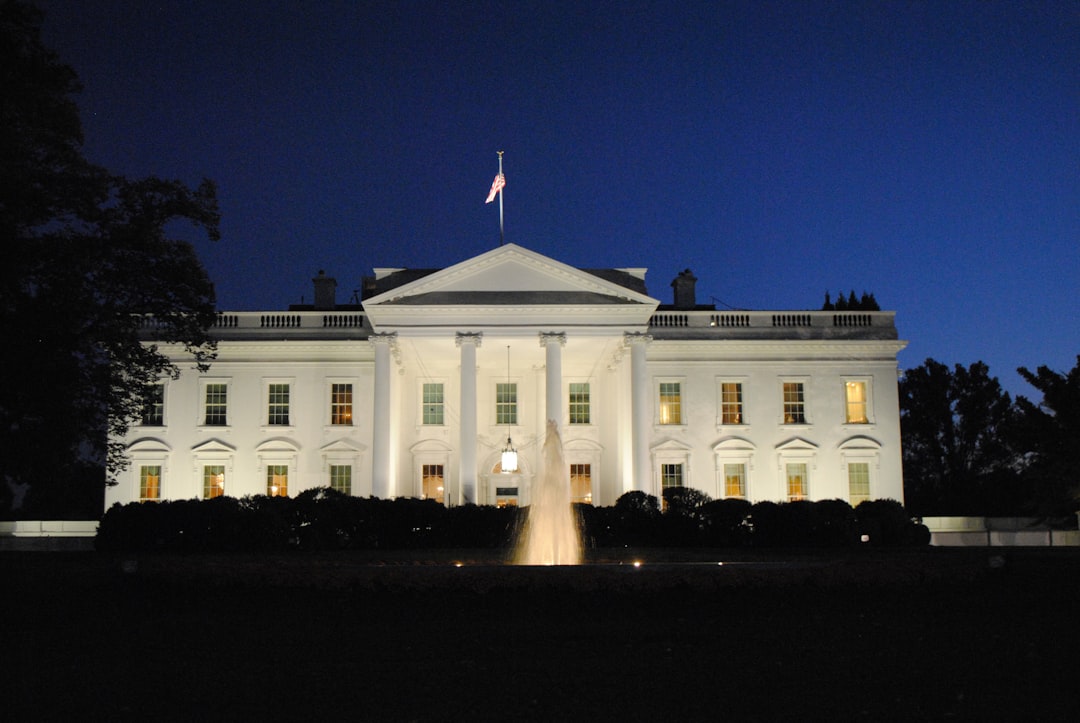
The United States Department of Justice filed court documents Tuesday defending President Donald Trump’s decision to revoke press credentials for three major news organizations. The filing asserts that entry to the executive mansion is a privilege granted by the administration, not a constitutional right guaranteed to journalists.
CNN, Politico, and MS Now sued the president on Monday, seeking a temporary restraining order to restore their hard passes. The plaintiffs argue the ban violates the First Amendment’s protections for freedom of the press. A federal hearing regarding the emergency request is scheduled for Wednesday at 3:30 p.m. ET.
In the filing, Justice Department lawyers asked Federal Judge Timothy Kelly to enforce the exclusion order. They argued that the three outlets failed to meet minimum standards of professionalism and decorum required for White House access. The government cited specific reporting incidents as evidence of these failures, including CNN’s coverage of an East Wing bunker, MS Now’s reporting on a leak investigation, and Politico’s articles regarding Secret Service security investments.
The administration’s legal team claimed the organizations published classified or sensitive national security information. Lawyers stated they had sent letters to each outlet outlining reports that violated professionalism standards. The filing characterized the reporting as “Fake News” and noted the outlets relied on anonymous sources without allowing sufficient time for White House comment.
National security concerns were cited as a primary justification for the ban. The Justice Department maintained that access to the White House grounds is discretionary. This legal challenge tests the boundaries of press freedom versus executive authority over government facilities.
The dispute has drawn attention on White House grounds, where signs supporting AP, CNN, MS Now, and Politico were visible Monday. The outcome of Wednesday’s hearing could set a precedent for how future administrations manage media access to sensitive areas.