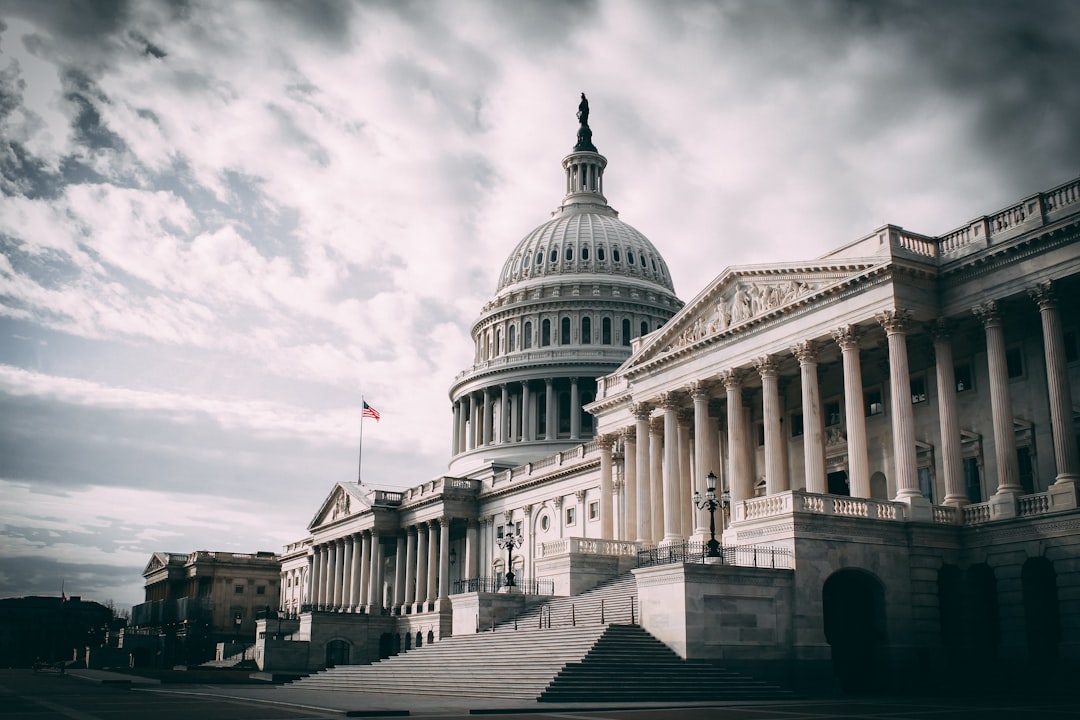
With two executive orders blocked and a Supreme Court decision standing in the way, Republican lawmakers turned to Congress itself on September 2, convening a House Judiciary Subcommittee hearing to examine whether legislation could narrow who qualifies for citizenship at birth under the Fourteenth Amendment.
What the Court Decided
The June 30 ruling in Trump v. Barbara struck down President Trump’s first birthright citizenship executive order, which he had signed on January 20, 2025. The Court’s majority grounded its decision in English common law, the historical record of the Fourteenth Amendment, and the longstanding precedent of United States v. Wong Kim Ark. Chief Justice Roberts concluded that the phrase “subject to the jurisdiction thereof” captures government authority over anyone physically present in U.S. territory. The only narrow exceptions he identified were children of foreign diplomats and certain tribal members under 19th-century law. The majority flatly rejected the idea that parental immigration status or domicile should determine a child’s citizenship.
Justices Thomas and Alito each dissented. Thomas argued the Citizenship Clause should carry a narrower meaning, while Alito focused on parental domicile and cautioned that a broad reading creates perverse incentives for illegal immigration.
A Second Order, Also Blocked
President Trump issued a second executive order in August aimed at additional categories of U.S.-born children. A federal judge in Maryland moved to block enforcement against a nationwide class of children covered by the order, concluding that the Supreme Court had already settled the constitutional question at issue.
The Congressional Gambit
Subcommittee Chair Rep. Chip Roy (R-TX) argued that Congress should link citizenship eligibility more directly to parental status or citizenship. Kansas Attorney General Kris Kobach testified that Congress retains independent authority to define the Fourteenth Amendment’s jurisdiction clause and is not bound by the executive branch’s failed attempts. Ken Cuccinelli of the Center for Renewing America backed that position, supporting a statutory narrowing of the Citizenship Clause.
Rosemary Jenks of the Immigration Accountability Project pushed lawmakers toward both statutory restrictions on birthright citizenship and new rules limiting welfare benefits available to non-immigrant visa holders on behalf of U.S.-born children.
Wayne State University law professor Jonathan Weinberg pushed back, arguing that birthright citizenship is a constitutional guarantee that no act of Congress can strip away. He noted that any statute denying citizenship to children the Court has already recognized as citizens at birth would collide directly with Trump v. Barbara.
Birth Tourism and the Numbers
The hearing also featured claims that hundreds of thousands of Chinese nationals currently hold U.S. citizenship obtained through birth tourism, that hundreds of Chinese companies actively market such services, and that tens of thousands of Chinese nationals travel to the United States each year specifically to give birth. Lawmakers were cautioned that these are estimates, not established federal statistics. Reps. Roy and Tom Tiffany (R-WI) had already flagged related concerns in a March letter to administration officials, focusing on China-linked birth tourism and visa practices in the Northern Mariana Islands.
The Census Bureau puts the total U.S. foreign-born population at roughly 50.2 million, a figure that spans naturalized citizens, lawful permanent residents, temporary visa holders, refugees, asylees, and unauthorized immigrants.
Any legislation Congress passes that denies citizenship to children the Court has recognized as citizens at birth would face the same constitutional barrier the administration’s executive orders already encountered in Trump v. Barbara.
Category: Constitution
Tags: Immigration, Supreme Court, Chip Roy, House Judiciary Committee
Source: legis1.com