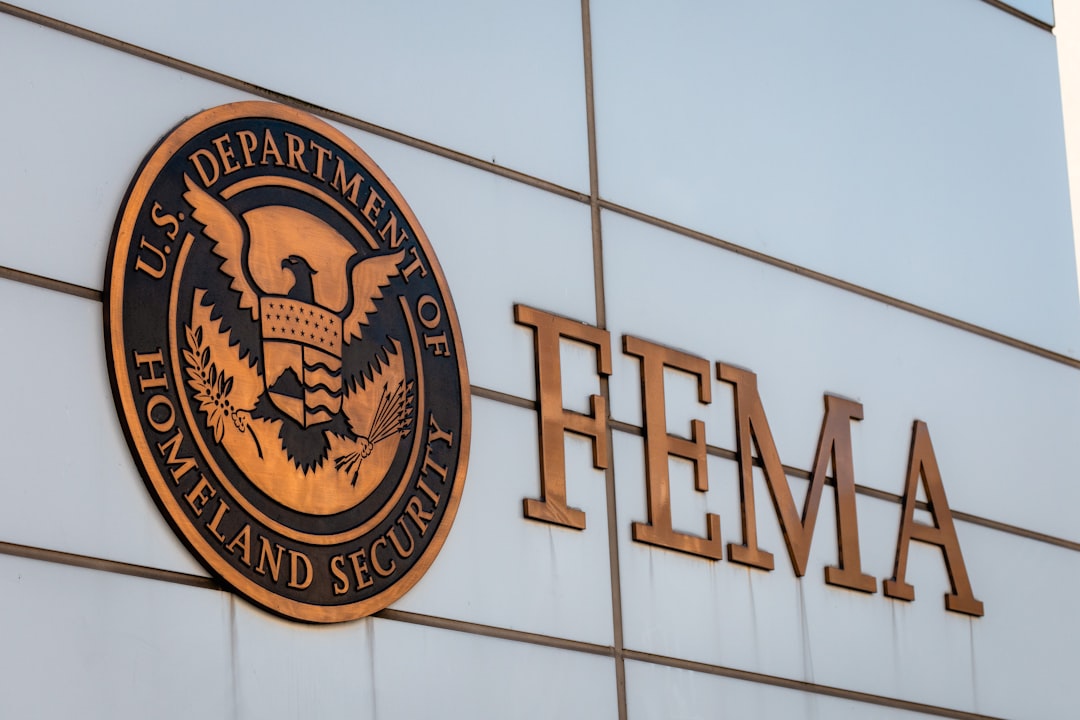
A federal judge in California has ruled that the Trump administration’s directive to slash the Federal Emergency Management Agency workforce by half violates federal law. U.S. District Judge Susan Illston issued the decision late Friday, Sept. 12, 2026, finding that the Department of Homeland Security unlawfully usurped FEMA’s authority over its own personnel.
The ruling centers on a statute enacted in 2005 following Hurricane Katrina, which prohibits DHS from substantially reducing FEMA’s authorities, responsibilities, or functions. Judge Illston determined that DHS crossed this legal line by steering the agency to eliminate thousands of disaster-response positions and by halting the renewal of temporary contracts for on-call reservists last year.
Legal Challenge and Administrative Overreach
Unions representing federal employees amended a lawsuit filed in January 2026 to challenge the mass layoffs. The plaintiffs argue that the cuts were not internal management decisions but orders imposed by former Homeland Security Secretary Kristi Noem. The Trump administration had previously contended that FEMA retained flexibility to determine its own staffing levels.
President Donald Trump has long expressed skepticism toward the agency, suggesting at various points that FEMA should be abolished and emergency preparedness returned to state governments. Last year, the White House created a council to review FEMA operations, a move critics say laid the groundwork for the current workforce reduction.
Judicial Findings on Conduct
In her opinion, Judge Illston faulted FEMA and DHS officials for their handling of communications regarding the staffing cuts. The judge noted that officials used Signal on personal cell phones to discuss the reductions and subsequently deleted messages. Illston wrote she would presume “that the lost Signal messages would have been unfavorable to Defendants because they would have been further evidence” of unlawful conduct.
This marks a shift in the litigation. In June, Judge Illston declined to block the job cuts, finding that FEMA had temporarily paused its plans. However, by Friday’s ruling, the judge found that the agency appeared to be moving forward with the reductions despite the earlier pause.
Next Steps and Relief
The current ruling does not include specific remedies or penalties. Those details will be addressed in a separate decision expected next month. Parties involved in the case may submit briefings on the scope of relief for the unions during this interim period.
FEMA and DHS did not immediately respond to requests for comment on Saturday. Democracy Forward, which represents the plaintiffs, applauded the ruling. Skye Perryman of Democracy Forward stated, “Congress created FEMA to operate with independence, given its mission to prepare and respond quickly when disasters arise.”
By The Numbers
Sept. 12, 2026: Date Judge Illston issued the ruling against the workforce cuts.
2005: Year Congress passed the law prohibiting DHS from significantly reducing FEMA’s functions.
11,383: The projected staffing level for FEMA in the upcoming fiscal year, representing roughly half of prior levels.
Next Month: When a separate ruling on remedies and penalties is expected.
The Broader Picture
This decision highlights ongoing tensions between the executive branch and federal agencies regarding staffing and operational independence. The Trump administration’s push to reduce federal bureaucracy has faced legal hurdles when it intersects with statutes designed to protect specific agency functions. The post-Katrina law was intended to ensure FEMA could respond swiftly to disasters without political interference or structural weakening.
The case also underscores the importance of record-keeping and communication protocols within federal agencies. Judge Illston’s adverse inference regarding deleted messages serves as a reminder that officials must maintain transparent records, particularly when making significant personnel decisions. As the litigation moves toward determining remedies, the outcome could set a precedent for how future administrations handle workforce reductions in agencies with congressionally protected mandates.
The ruling does not immediately restore all cut positions but establishes that the method and authority used to implement the cuts were unlawful. The next phase of the case will determine what corrective actions are required to comply with the 2005 statute.