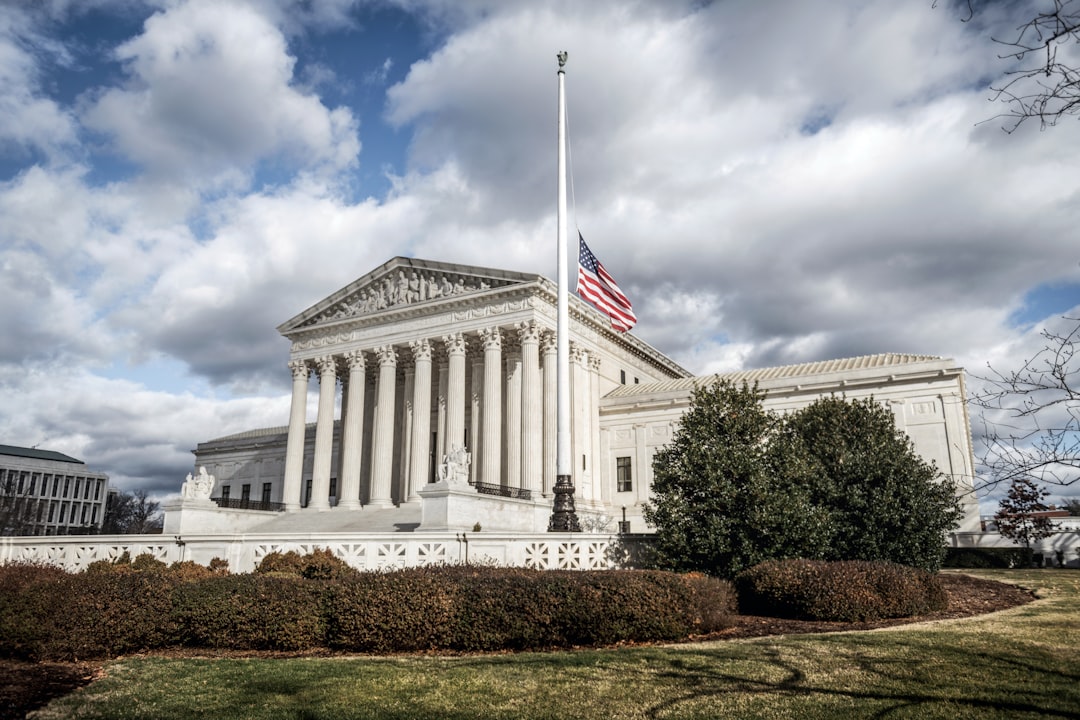
A federal lawsuit filed Thursday challenges the Trump administration’s policy permitting Immigration and Customs Enforcement officers near polling locations during the upcoming midterm elections, raising constitutional questions about voter intimidation and federal overreach. The suit was filed in the District Court for the District of Columbia, according to stateline.org.
The plaintiffs include the League of United Latin American Citizens, UnidosUS, Common Cause, and the city and county of Denver, Colorado. They argue that Homeland Security Secretary Markwayne Mullin’s comments regarding ICE presence violate federal statutes prohibiting “armed men” at election sites unless necessary to repel armed enemies.
The complaint seeks a court order barring officers from operating or carrying weapons near open polling places, dropboxes, curbside voting locations, and other areas where votes are collected or counted. Civil rights groups contend the tactic constitutes voter suppression rather than legitimate law enforcement.
“Sending armed ICE officers to polling places is not immigration enforcement – it is voter suppression, plain and simple,” told the Stateline Janet Murguía of UnidosUS.
Secretary Mullin stated that ICE officers would be present at polling places only to enforce specific threats or serve warrants on actively tracked individuals. A Department of Homeland Security spokesperson clarified that ICE is not planning operations targeting polling locations but noted arrests may occur if an active public safety threat endangers a site during targeted enforcement.
“Stationing ICE agents near polling places is only meant to scare people and suppress votes. We’ll fight tooth and nail to prevent it,” told the Stateline Mike Johnston of Common Cause.
The legal challenge arrives as voters prepare for the 2026 midterm elections, with concerns mounting over federal interference in state-run electoral processes. The case highlights ongoing tensions between immigration enforcement priorities and voting rights protections.
This dispute follows other recent challenges to federal election policies, including White House efforts to modify census data collection that face congressional review. The outcome could set precedent for how federal agencies interact with local election infrastructure in future cycles.