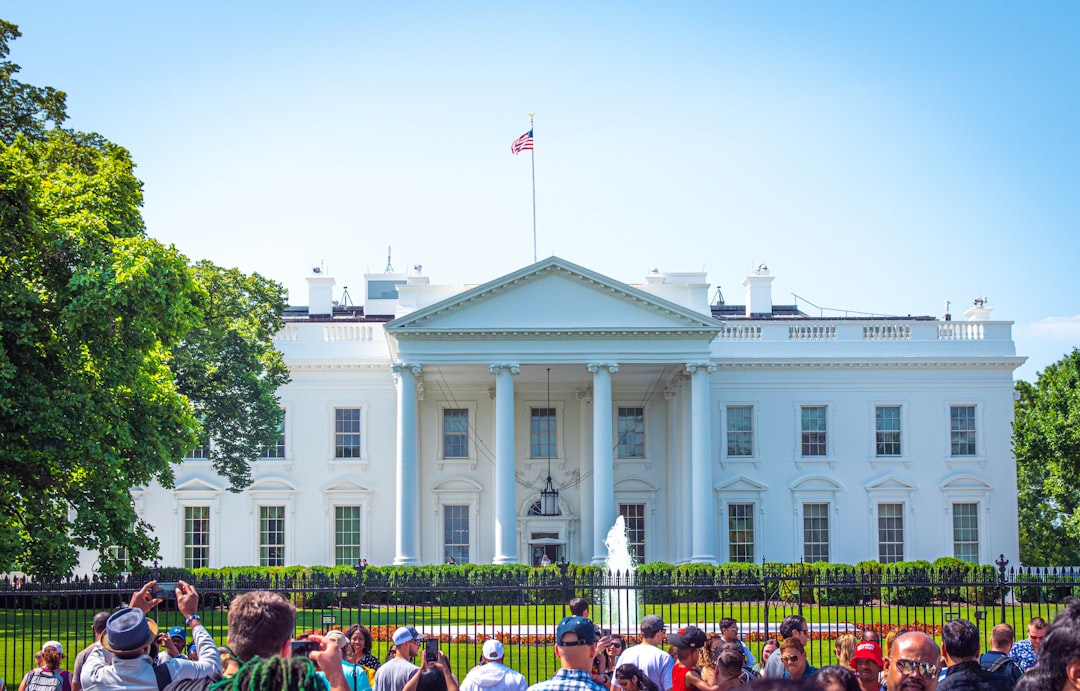
The White House is moving to coordinate campaign resources with Republican lawmakers from key swing states, a development that signals an intensifying focus on the upcoming midterm elections. President Donald Trump hosted a dinner for several dozen members of Congress in the Rose Garden on Wednesday night, bringing together legislators who face competitive races in 2026. As first reported by politico.com, the gathering underscores the administration’s growing involvement in electoral strategy as Republicans confront headwinds including elevated energy costs, new tariffs, and ongoing military engagements abroad.
Campaign Coordination at the White House
The invitation list included prominent figures from battleground states where Republican margins are narrow. Wisconsin Representative Derrick Van Orden confirmed his attendance at the event, joining Michigan Representative Tom Barrett and Georgia Senate nominee Mike Collins. The presence of these lawmakers suggests a targeted effort to align federal resources with local campaign needs.
Representative Barrett indicated that he will skip the Republican National Committee’s midterm convention in Dallas next week to focus on campaigning in his district instead. This decision reflects a broader trend among House members who are prioritizing direct voter contact over party gatherings as election day approaches. The White House has invited at least several dozen lawmakers, indicating a broad but selective outreach effort aimed at those most vulnerable to Democratic challengers.
The War Chest and Spending Priorities
President Trump’s political action committee, MAGA Inc., holds approximately $400 million in funds. Despite this substantial reserve, spending on Republican lawmakers has been minimal to date. The group allocated more than $800,000 for phone calls and text messages supporting Senator Darline Graham during her primary race, but general election support for other candidates has lagged.
Senate Republicans are now seeking increased financial backing from the President’s operation, particularly for Texas Attorney General Ken Paxton. Paxton has been outspent on airwaves by his Democratic opponent, James Talarico, and allied groups. The disparity in advertising dollars has raised concerns among party leaders who view the Texas Senate race as a critical test of Republican strength in a traditionally red state.
New Advertising Push Launches
On the same day as the Rose Garden dinner, Securing American Greatness launched its first major general election ad buy. The nearly $1 million national television reservation spans two weeks and features prominent endorsements of President Trump’s agenda. One advertisement highlights UFC President Dana White praising the President, incorporating footage from Trump’s February State of the Union address.
The ad campaign emphasizes economic achievements, including tax cuts and the elimination of taxes on tips. These messages aim to counter negative perceptions driven by rising gas prices and trade-related inflation. The timing of the ad launch coincides with the White House dinner, suggesting a coordinated effort to boost morale and visibility for Republican candidates ahead of the November elections.
Election Challenges Mount
Republicans face significant electoral challenges as they navigate multiple economic and geopolitical issues. Higher gas prices have strained household budgets, while new tariffs have contributed to supply chain disruptions and increased costs for consumers. Additionally, the ongoing military conflict with Iran has drawn criticism from some lawmakers who argue that resources should be redirected toward domestic priorities.
As noted in related coverage, Congress is pressing for an exit strategy from the Iran war as costs mount and supply chain damage affects American businesses. The combination of foreign policy expenses and domestic economic pressures has created a difficult environment for Republican incumbents seeking re-election.
The White House dinner represents a pivotal moment in the administration’s campaign strategy. By bringing together lawmakers from competitive districts, President Trump is signaling that federal resources will be deployed more aggressively to support Republican candidates. Whether this approach will be sufficient to overcome current headwinds remains to be seen as the election cycle intensifies.
By The Numbers
$400 million: Total funds held by MAGA Inc., President Trump’s political action committee.
$800,000+: Amount spent by MAGA Inc. on phone calls and texts for Senator Darline Graham’s primary campaign.
Nearly $1 million: Value of the national TV ad reservation launched by Securing American Greatness over a two-week period.
February: Month of President Trump’s State of the Union address, featured in new campaign advertisements.
The Broader Picture
The coordination between the White House and Republican lawmakers reflects a broader shift toward centralized campaign management. Historically, presidential operations have maintained some distance from congressional races, but the current administration appears to be taking a more hands-on approach. This strategy may help consolidate support in key states but could also draw scrutiny regarding the use of political funds.
For American voters, the outcome of these races will determine the balance of power in Congress and influence policy directions on taxes, trade, and national security. As Republicans work to defend their majority, the effectiveness of White House-backed campaigns will be closely watched by both parties. The coming months will reveal whether increased spending and high-profile endorsements can offset economic concerns and foreign policy fatigue.