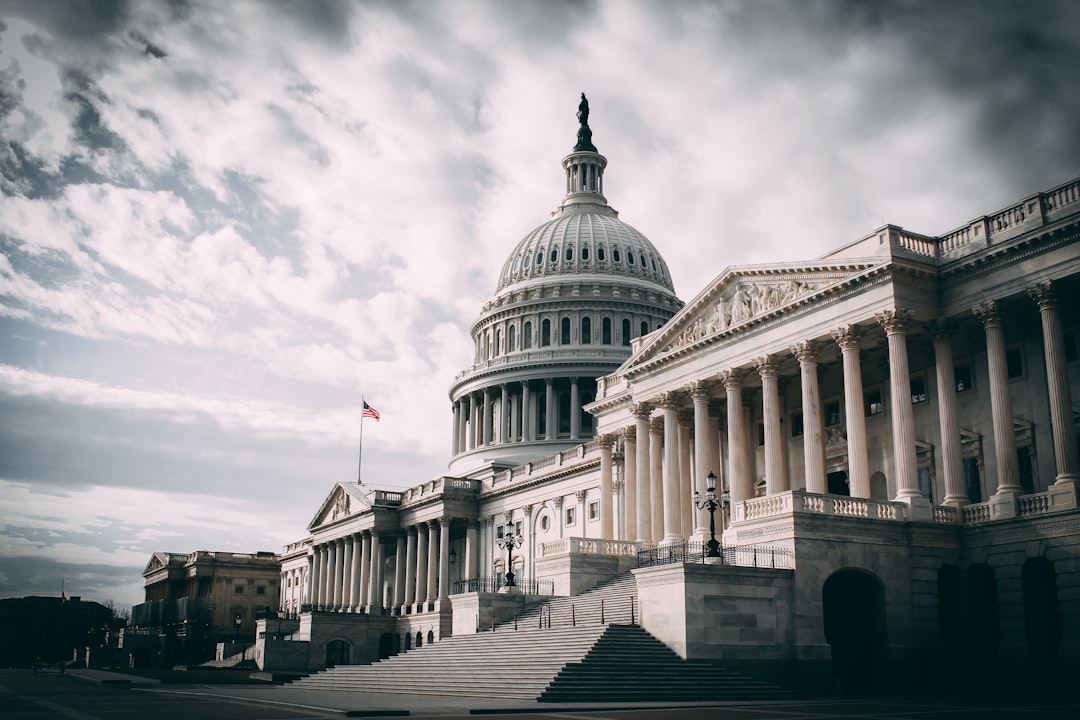
The debate over artificial intelligence regulation is emerging as a defining issue for the 2028 presidential election, with Democratic hopefuls increasingly calling for federal guardrails on technology development. While President Donald Trump maintains that the United States must lead the world in AI innovation, early Republican candidates are largely following his pro-development stance. In contrast, Democrats are emphasizing the need for safety measures, with several prominent figures advocating for a slowdown in rapid deployment to protect workers and taxpayers.
Voters Demand Oversight
Public concern regarding the unchecked growth of AI infrastructure appears to be driving this policy shift. A New York Times/Siena College poll found that 61 percent of voters opposed the construction of new datacenters. Additionally, an SSRS/CNN poll indicated that 71 percent of Americans believe the federal government is not doing enough to regulate AI development and growth. These figures suggest a significant appetite for regulatory intervention among the electorate, creating pressure on Democratic candidates to articulate clear positions on technology governance.
Harris Reiterates Call for Regulation
Kamala Harris, who served as vice president during the Biden administration’s efforts to mitigate AI risks, has consistently advocated for a balanced approach. In 2023, she voiced concerns about short-term threats posed by AI, including disinformation campaigns that could undermine democracy and violations of privacy. On September 14, Harris reiterated her position, calling for stricter federal regulations around artificial intelligence while also echoing recent calls for a slowdown in the sector’s expansion.
Harris previously promoted growth alongside safety measures, but her recent statements align with a broader Democratic trend toward caution. Her memoir, titled “107 Days,” was discussed at the Southbank Centre’s London Literature Festival in 2025, where she reflected on her political career and policy priorities.
State Leaders Push for Federal Action
Gavin Newsom, governor of California, has been a vocal proponent of AI regulation. With major tech companies including OpenAI, Anthropic, and Google based in his state, Newsom has promoted AI advancements while implementing safeguards. In September, he signed an executive order urging companies to consider creating a “kill switch” for their systems. He also mandated whistleblower protections and safeguards for young users, and required large companies to publish best practices. Additionally, Newsom ordered a study to help companies retain employees rather than replace them with automation.
In Pennsylvania, Governor Josh Shapiro has championed AI investment while advocating for clear regulations to reduce harm. In August, he signed an executive order ensuring that datacenters meet stricter environmental and energy usage standards. In September, Shapiro called for stricter federal regulations around AI, stating that he is not a “doomer” regarding the technology taking over the world but emphasizing the need for responsible development.
Kentucky Governor Andy Beshear has also taken action on the issue. In August, he signed an executive order requiring datacenter developers to ensure no detrimental impact on the environment or taxpayers before building. Beshear recently called for stronger federal oversight on AI and advocated for the end of taxpayer incentives for datacenters.
Proposed Funding Mechanisms
Senator Mark Kelly has proposed a specific legislative solution to address the economic impacts of AI. Last year, he published a roadmap suggesting an “AI Horizon Fund” backed by AI companies. The proposed fund would finance education, training tools, and energy infrastructure, while also assisting displaced employees. In September, Kelly told Politico that he planned to introduce legislation establishing the fund.
Representative Alexandria Ocasio-Cortez has expressed skepticism about the rapid expansion and integration of AI technology. She has voiced concerns about the economic impact of AI and datacenters, aligning with other Democrats who prioritize worker protections and environmental safeguards.
National Implications
The divergence in approaches between Republican and Democratic candidates highlights a growing political fault line over technology policy. While Republicans emphasize leadership and innovation, Democrats are focusing on regulation, worker protection, and environmental impact. This debate is likely to shape the 2028 election, with candidates from both parties needing to address voter concerns about the role of AI in American society.
Tech executives issued warnings in mid-September that AI could harm humans, adding urgency to the policy discussions. As the election approaches, the question of how to balance innovation with safety will remain a central issue for voters and policymakers alike.