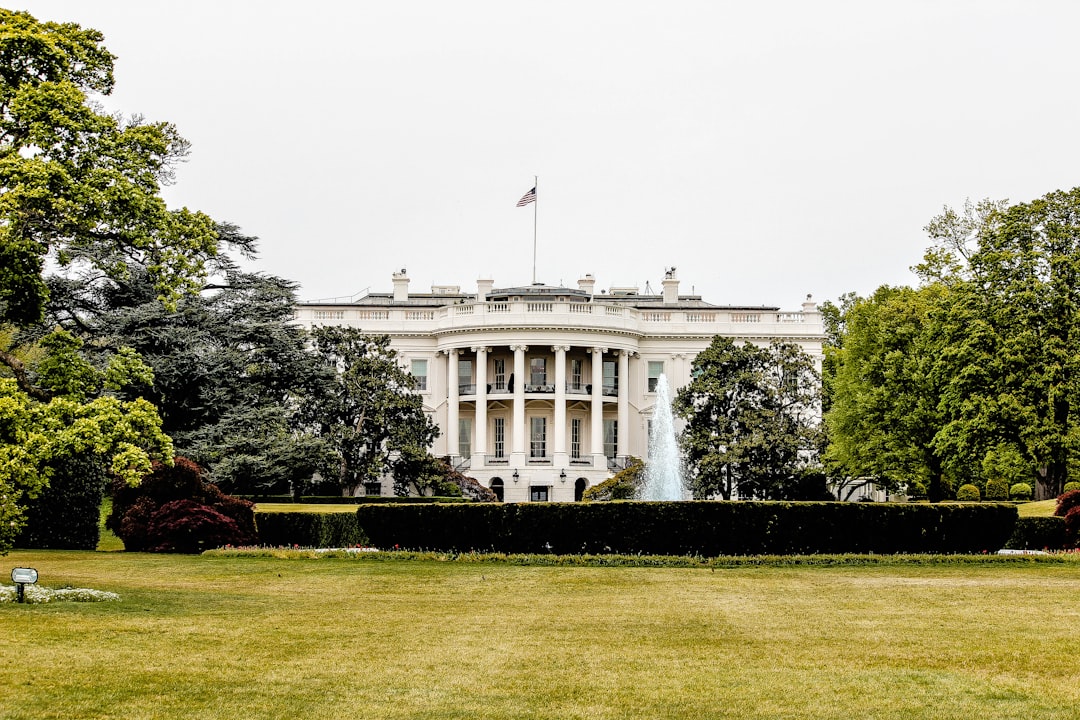
President Donald Trump has abandoned plans to tighten federal oversight of artificial intelligence development, reversing course after intense lobbying from major technology executives and a key White House adviser. The decision marks a significant victory for the deregulation faction within the administration and signals a retreat from earlier efforts to impose safety guardrails on emerging AI models.
Internal Administration Conflict
The reversal stems from a sharp policy divide inside the White House. Chief of Staff Susie Wiles, Treasury Secretary Scott Bessent, and Sean Cairncross, the national cyber director, had been advocating for stronger regulatory measures. According to reports, these officials met almost daily with staff members concerned about the lack of safeguards in the rapidly evolving AI sector.
Bessent has pushed specifically for increased oversight of the industry. Wiles and Cairncross joined him in urging the president to maintain stricter controls. Their efforts initially succeeded in persuading Trump to sign a limited version of oversight measures, though this was less comprehensive than originally planned.
Opposing these officials is White House adviser David Sacks, who previously served as the administration’s AI and crypto czar before moving to co-chair the president’s tech advisory council in March. Sacks helped draft rules for AI and cryptocurrency while maintaining financial ties to a venture capital firm with stakes in both sectors.
The May Reversal
In May, Sacks convinced President Trump to scrap an executive order that would have tightened oversight of new models developed by companies such as Anthropic and OpenAI. The change came via a last-minute phone call from Sacks to the president. This move effectively halted the administration’s initial push for formal regulatory frameworks.
Sacks has continued lobbying for reduced government scrutiny. His position appears to be gaining traction within the White House, with his camp seemingly winning out in the current policy debate. The decision to drop the executive order reflects a preference for minimal federal intervention in AI development.
Tech Industry Influence
High-profile technology leaders have backed Sacks’ deregulatory stance. Meta CEO Mark Zuckerberg and Nvidia’s Jensen Huang supported the effort to limit government scrutiny. SpaceX founder Elon Musk, who contributed at least $250 million to Trump’s 2024 campaign, also played a significant role.
Musk briefly served as a hatchet man at the Department of Government Efficiency before focusing his efforts on opposing regulatory frameworks. He lobbied against plans for an industry-funded regulator. Trump ultimately decided against establishing such a body, acting on the advice of Musk, Zuckerberg, and Huang.
Presidential Stance
President Trump has publicly dismissed warnings about unregulated AI development. In a Truth Social post on Monday, he stated that “the only control or ‘guardrails’ that AI needs is a STRONG AND SMART (High IQ!) PRESIDENT.”
In an earlier post, Trump called concerns about unregulated development a “HOAX.” His stance aligns with the position of Sacks and his tech industry allies, who argue that excessive regulation could stifle innovation.
The Stakes
The conflict highlights broader tensions within the administration regarding how to balance national security concerns with economic growth. High-profile AI industry figures have warned that out-of-control bots pose an existential threat to mankind, a view shared by some White House officials.
However, Sacks’ camp appears to be winning out in the current policy debate. The decision to scrap the executive order and reject an industry-funded regulator signals a preference for minimal government intervention in the rapidly evolving AI sector.
By The Numbers
- May: Month David Sacks convinced Trump to scrap the executive order tightening AI oversight.
- March: Month David Sacks moved to co-chair the president’s tech advisory council.
- $250 million: Amount Elon Musk contributed to Trump’s 2024 campaign.
The Broader Picture
The internal disagreement has sparked what sources describe as a “quiet freakout” among senior aides. The White House and Treasury Department were contacted for comment regarding the developing situation.
As AI capabilities expand, the question of how much oversight is appropriate remains a contentious issue within the administration.