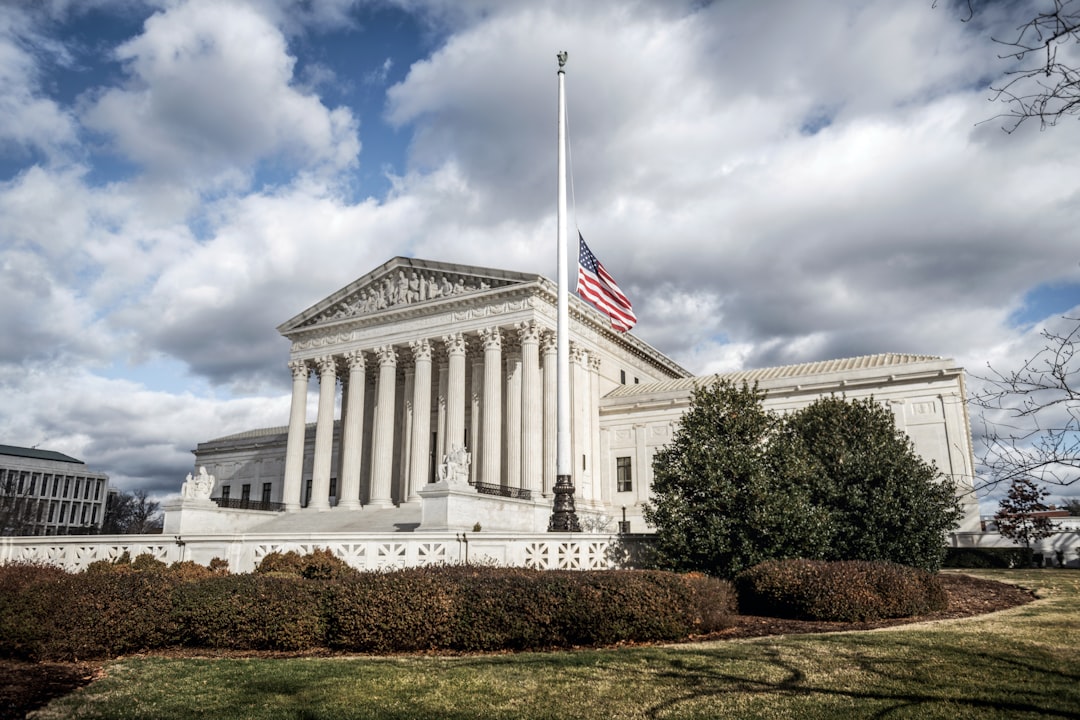
High Court Invalidates Coordination Restrictions
The Supreme Court struck down federal limits on coordinated expenditures between political parties and their candidates, ruling that such restrictions violate the First Amendment. The decision in National Republican Senatorial Committee v. FEC, issued on June 30, marks a significant shift in campaign finance jurisprudence by removing barriers to joint spending efforts.
In a 6-3 vote, the Court held that the Federal Election Commission’s rules prohibiting parties and candidates from coordinating their spending exceeded constitutional bounds. Justice Samuel Alito Kavanaugh authored the majority opinion, noting that the restrictions failed under both strict scrutiny and closely drawn scrutiny standards. “Doesn’t matter,” Kavanaugh wrote regarding which test applied. “It fails under either of those tests and we’re not even really going to say definitively which one we’re applying.”
Key Regulations Remain Intact
While the ruling eliminates caps on coordinated expenditures, several core campaign finance safeguards remain in place. Contribution limits for individuals and entities continue to apply, as do disclosure obligations requiring transparency in political spending. Earmarking restrictions also stand, preventing donors from directing funds to specific candidates in ways that bypass contribution caps.
The decision does not alter coordination rules for outside groups. Super PACs, corporate PACs, and 501(c)(4) organizations remain subject to existing regulations governing their interactions with candidates and parties. This distinction preserves the separation between independent expenditures and coordinated campaign activities.
Implications for Political Fundraising
Legal experts suggest the ruling will reshape how political committees operate. Charlie Ricciardelli and Tyler Rosen, partners at Skadden, Arps in Washington, D.C., analyzed the decision on their podcast “The Lobby Bar.” They noted that joint fundraising committees may now have greater flexibility in allocating funds between party-building activities and candidate support.
The ruling affects how political parties structure their financial operations. With coordinated expenditure limits removed, parties can more freely combine resources with candidates for advertising and outreach efforts. However, the persistence of contribution limits means donors still face caps on direct gifts to campaigns and committees.
Disclosure requirements ensure that voters can still track where money flows in elections. The Court’s decision focuses narrowly on coordination restrictions rather than transparency mandates, maintaining public access to spending data while expanding permissible campaign activities for parties and candidates.