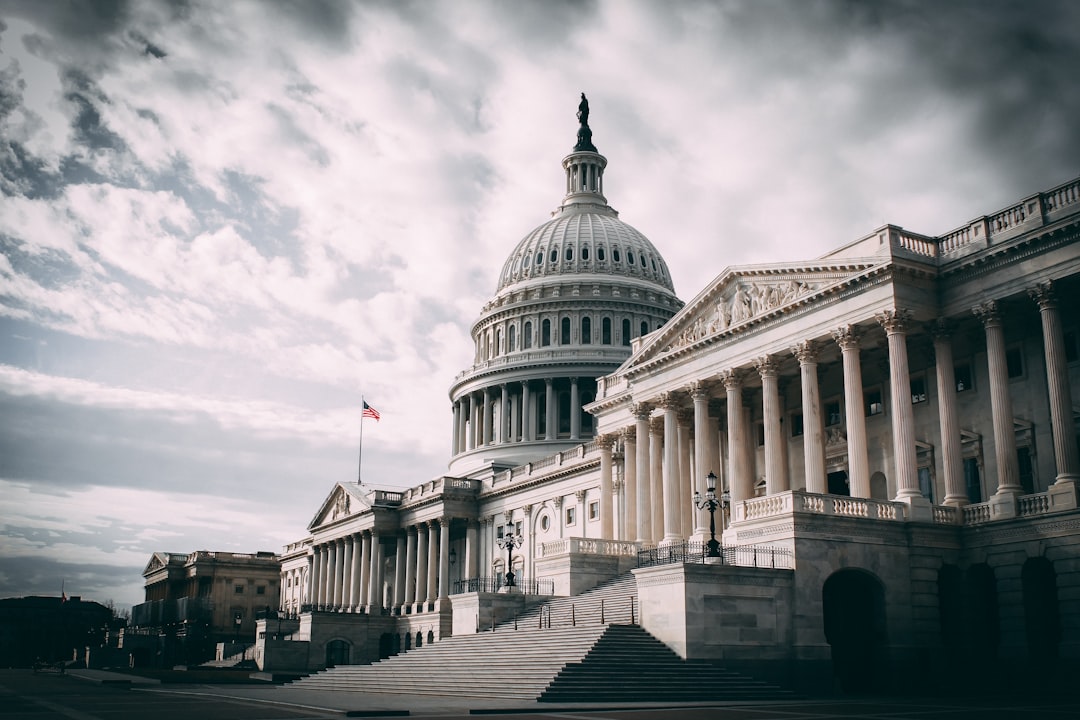
The Senate held a procedural vote Tuesday on the Digital Asset Market Clarity Act, a measure that would establish the first comprehensive regulatory framework for cryptocurrency in United States history. The legislation marks a significant shift from the aggressive enforcement posture of the previous administration to a more structured oversight model under President Donald Trump.
Regulatory Shift and Agency Oversight
The bill divides authority over digital assets between two federal agencies. It grants the Commodity Futures Trading Commission (CFTC) primary control over most crypto regulation, while the Securities and Exchange Commission (SEC) retains jurisdiction over specific securities-related tokens. This split represents a departure from the Biden administration’s approach, which relied heavily on the SEC to police the industry.
Under President Trump, the SEC is led by Paul Atkins, a former industry adviser, while Michael Selig chairs the CFTC. Both regulators attended a White House event on cryptocurrency and technology in August 2026, signaling administration support for the sector’s growth within defined legal boundaries.
Critics argue that shifting bulk control to the CFTC allows the crypto industry to avoid stringent regulatory scrutiny. Industry executives deny these claims, asserting that clear rules are necessary for market stability. Ryan VanGrack, vice chair of Coinbase, emphasized the need for clarity, stating, “Tens of millions of Americans are investing in products that don’t have clear regulatory oversight.”
Voting Thresholds and Political Math
The Senate requires 60 affirmative votes to advance the bill past procedural hurdles. With all 53 Republicans expected to support the measure, proponents need seven Democrats or Independents to join them. The legislation previously passed the House last year, but changes made by the Senate mean both chambers must reconcile differences before sending a final version to President Trump.
The timing of the vote coincides with early November midterm elections. The crypto sector has amassed tens of millions of dollars in political spending for these upcoming contests, highlighting the industry’s growing influence on national policy debates.
Ethics Clause Controversy
A contentious ethics provision in the bill aims to prevent government officials from profiting directly from cryptocurrency ventures while in office. The Department of Justice, currently led by Todd Blanche, would enforce this clause under the current language. Democrats have opposed this enforcement mechanism, arguing it fails to provide a meaningful check on executive power.
Massachusetts Senator Elizabeth Warren argued that the ethics clause does not go far enough to prevent conflicts of interest. New Republican language in the bill prohibits federally elected officials and their spouses from issuing their own cryptocurrencies. This restriction could impact President Trump, who disclosed that he and his family earned $1.4 billion last year from crypto ventures, including the launch of the $TRUMP meme coin early last year.
The revised rules also require officials to divest significant financial stakes in the crypto sector. These provisions aim to address concerns about potential conflicts between public duty and private financial interests in a rapidly evolving market.
Legislative Path Forward
If the Senate clears the procedural vote, the chamber can move to debate and eventually hold a final vote on the 600-page bill. The outcome will determine whether the United States adopts a unified federal framework for digital assets or continues with fragmented agency enforcement.
The Clarity Act represents a pivotal moment for American financial policy. Supporters view it as essential for protecting investors and fostering innovation, while opponents warn that lenient rules could expose taxpayers to systemic risks. The final vote will test the political coalition behind the legislation and set precedents for future technology regulation.
As the Senate deliberates, the interplay between regulatory clarity, ethical safeguards, and market dynamics remains central to the debate. The bill’s passage or failure will signal the direction of federal policy toward one of the fastest-growing sectors in the modern economy.