The Republic Standard News Staff
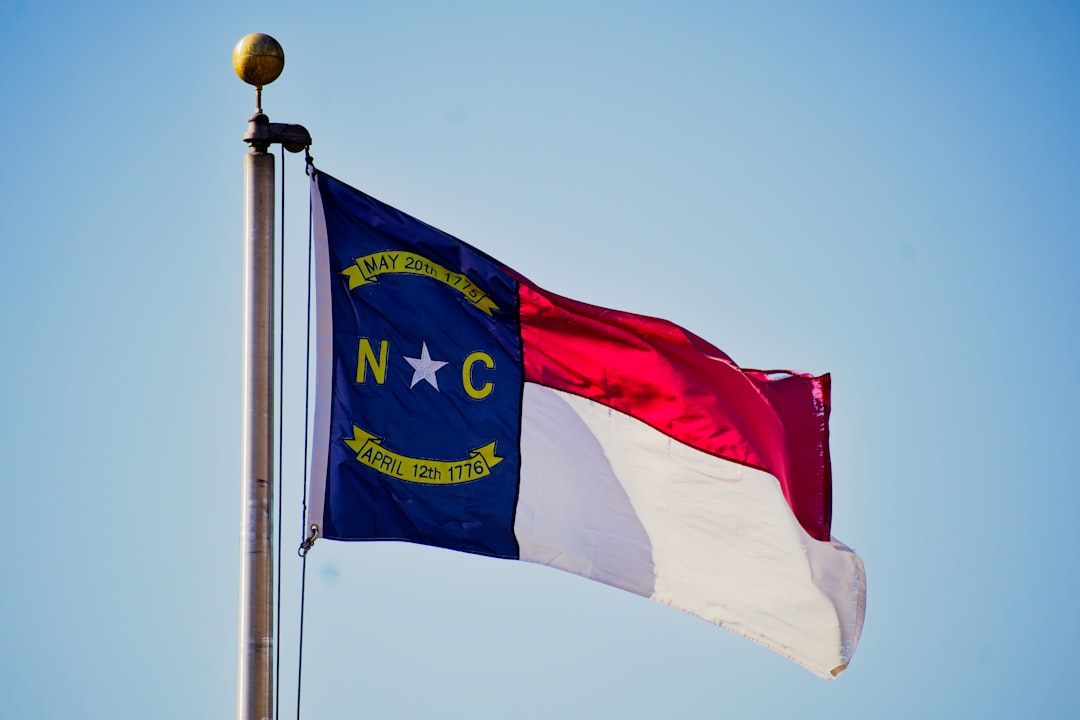
North Carolina has become the first state to begin distributing mail-in ballots for the November 2026 midterm elections, moving forward with its statutory obligations despite a legal challenge from the Trump administration seeking to restrict postal voting. The state’s decision to proceed came just hours after federal officials asked the Supreme Court to authorize a proposed crackdown on mail voting, highlighting a growing tension between executive branch initiatives and state election laws.
As reported by The Guardian, North Carolina’s county boards are required by state statute to begin sending absentee ballots 60 days before the general election. With approximately two months remaining until polls open, officials in Raleigh initiated the distribution process on schedule, adhering to long-standing procedures that have governed elections in the state for years.
Federal Challenge Faces Legal Hurdles
The Trump administration has sought to revive a rule that would bar the United States Postal Service from delivering ballots in states that do not share voter data with federal authorities. The proposed regulation also requires ballot envelopes to be screened against new standards before delivery, a measure critics argue imposes unnecessary burdens on voters and election administrators.
In June, Federal Judge Indira Talwani blocked the plan, ruling that it encroached on states’ constitutional authority over elections. Her decision emphasized the principle of federalism, noting that election administration has traditionally been the domain of state governments rather than federal agencies.
The Supreme Court’s conservative majority sided with President Trump in August, but called the legal challenge premature. Despite this partial victory for the White House, Judge Talwani froze key parts of the plan again on August 27, maintaining the injunction that prevents the rule from taking effect while litigation continues.
Supreme Court Weighs Emergency Request
Justice Ketanji Brown Jackson has not granted the administration’s request for an immediate stay of Judge Talwani’s order. Instead, she gave challengers until Tuesday to respond to the government’s appeal, allowing time for legal arguments on both sides to be fully developed.
D. John Sauer, the U.S. solicitor general, argued that the delay causes “serious irreparable harm” to the government, states, and voters. His statement reflects the administration’s position that uniform federal standards are necessary to ensure election integrity, even as opponents contend that such measures undermine state sovereignty and voter access.
The case underscores broader debates about the role of federal oversight in elections, a topic that has gained prominence in recent years amid concerns about voting security and accessibility. While the Trump administration argues for greater federal involvement, many states maintain that election administration should remain under local control, consistent with historical precedent and constitutional design.
Implications for National Elections
North Carolina’s move to send out mail-in ballots sets a precedent for other states facing similar legal pressures. If the Supreme Court ultimately allows the federal rule to take effect, it could disrupt election processes in multiple jurisdictions, particularly those that have relied on postal voting as a key component of their electoral systems.
The timing of the ballot distribution is critical, as delays could impact voter turnout and confidence in the electoral process. With midterm elections often serving as a referendum on the sitting president’s policies, any disruption to voting mechanisms carries significant political weight.
For now, North Carolina voters can expect to receive their ballots according to schedule, while the legal battle over federal election oversight continues in higher courts. The outcome of this case may have far-reaching implications for how elections are administered across the country, affecting not only the 2026 midterms but also future electoral cycles.
By the Numbers
60 days: The timeline North Carolina statute requires for starting absentee ballot distribution before the general election.
June: When Federal Judge Indira Talwani initially blocked the Trump administration’s plan, citing constitutional concerns.
August: When the Supreme Court sided with President Trump but deemed the challenge premature.
August 27: When Judge Talwani froze key parts of the plan again, maintaining the injunction against federal enforcement.
Tuesday: The deadline for challengers to respond to Justice Ketanji Brown Jackson’s request regarding the administration’s emergency appeal.
The Broader Picture
This legal dispute reflects a larger national conversation about the balance of power between federal and state governments in election administration. While the Trump administration seeks to impose uniform standards, many states argue that local control is essential to preserving democratic participation and respecting constitutional boundaries.
The case also highlights the role of the judiciary in mediating conflicts between executive actions and state laws. As courts weigh competing claims of efficiency, security, and sovereignty, their decisions will shape the landscape of American elections for years to come.
For voters, the immediate concern remains access and reliability. Whether through mail-in ballots or other methods, ensuring that every eligible citizen can cast a vote without undue interference is fundamental to the integrity of the democratic process. As North Carolina leads the way in distributing ballots, other states will likely follow suit unless federal courts intervene with sweeping changes.
The outcome of this case could set important precedents for how future elections are conducted, particularly in an era where debates over voting rights and election security dominate political discourse. Until then, the focus remains on maintaining order, transparency, and fairness in the electoral system.