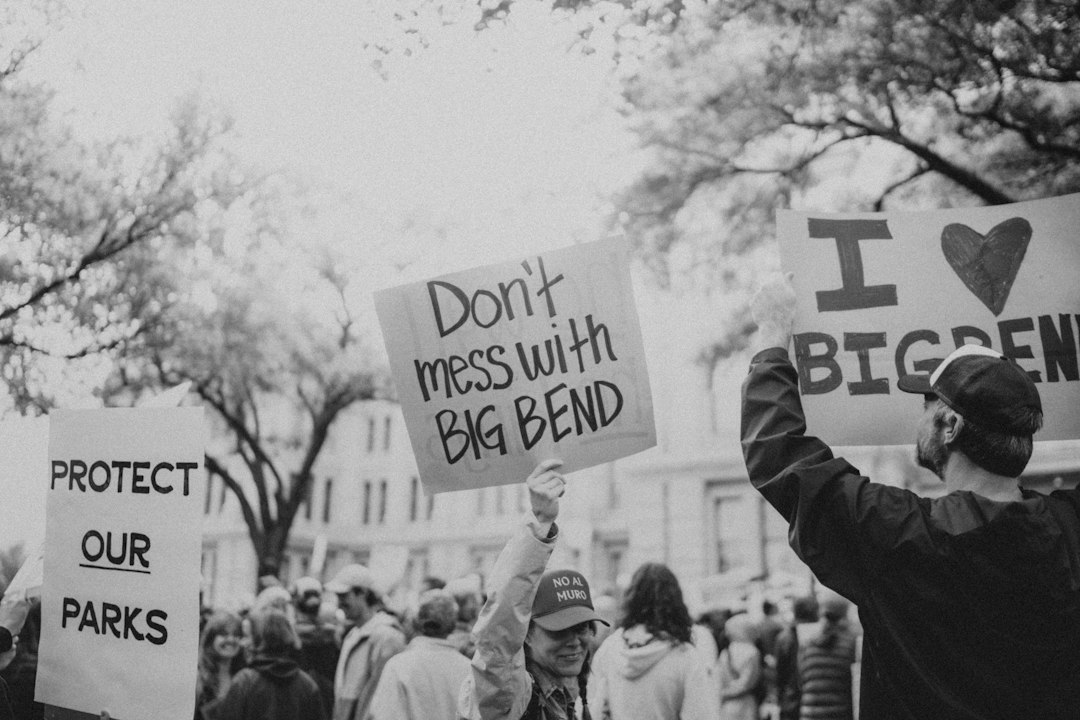
The Trump administration has resumed construction of a border barrier in the rugged Big Bend region of West Texas, moving forward with physical infrastructure despite significant opposition from local landowners and environmental advocates. Customs and Border Protection (CBP) crews began installing sections of a 30-foot steel bollard wall in Hudspeth County, east of El Paso, on September 15.
The decision to proceed comes after CBP Commissioner Rodney Scott temporarily paused construction last month following public backlash over images of bulldozers operating near sensitive areas. A CBP spokesperson confirmed the restart but noted that the agency did not issue a prior announcement before crews began work. The move signals the administration’s intent to complete border security projects in regions previously exempt from wall construction due to difficult terrain and low crossing activity.
The Big Bend stretch, spanning roughly 500 miles along the Rio Grande, has historically accounted for less than 2 percent of illegal crossing apprehensions. Unauthorized crossings in the area have dropped significantly since President Trump returned to office and implemented stricter border enforcement measures. The region’s steep cliffs, desert landscape, and lack of urban development on the Mexican side have long made it a lower priority for barrier construction compared to other sectors.
Approximately 400 private landowners hold title to properties with Rio Grande frontage where CBP seeks construction rights. More than half of these landowners have joined the No Big Bend Wall coalition, which disputes federal eminent domain assertions and opposes the expansion of government infrastructure on private property. CBP has offered signing bonuses to some landowners in an effort to secure access without resorting to legal battles.
Clara Bensen, communications director for the No Big Bend Wall coalition, criticized the agency’s approach, stating that isolated fencing will likely remain the norm due to incomplete land acquisition. “It’s not about logic,” Bensen said. “They’re moving forward even if the plan is not fully baked, then trying to do busy work because they don’t have the land they need yet.”
The proposed “smart wall” includes 30-foot fencing, vehicle barriers, patrol roads, and detection sensors. CBP plans also call for erecting security infrastructure within Big Bend National Park, raising concerns among conservationists about potential damage to natural resources. Construction blasting poses a threat to dozens of millennia-old rock art murals located in the river valley, adding cultural preservation to the list of issues at stake.
Republicans added $46.5 billion for border wall expansion into last year’s spending bill, providing funding for projects across multiple sectors. However, federal permissions remain uneven, preventing CBP from completing a contiguous barrier in the Big Bend region. The agency faces ongoing challenges in securing access to private lands and navigating environmental regulations.
Bob Krumenaker, former Big Bend superintendent and chair of Keep Big Bend Wild, plans to travel to Washington next week to urge lawmakers to protect the park from what he describes as unpopular infrastructure. “I’m very optimistic that there is a lot of support for Big Bend,” Krumenaker said. “This is a nonpartisan issue.”
Private landowners express concerns about declining property values, obstructed river access, and disrupted grazing operations if construction proceeds. The expansion would also affect several protected areas, including Big Bend Ranch State Park, Black Gap Wildlife Management Area, and Amistad National Recreation Area.