The federal government has moved to disrupt a network of suspected Russian intelligence operatives accused of plotting assassinations and sabotage against American soil and NATO allies. The Justice Department unsealed an indictment on September 15, 2026, charging five individuals with conspiracy to finance terrorism and other serious offenses linked to the Kremlin’s external operations apparatus.
Attorney General Todd Blanche emphasized that the charges reflect a broader strategy to prevent adversaries from unleashing violence within the United States. The defendants are described as part of a network conducting operations against civilian and military targets in European nations allied with Ukraine, including Poland, Germany, and Czechia.
Indictment Details
The five defendants remain at large. They include Yuri Khrameev, a former colonel in the Russian intelligence service, and his son Kirill Khrameev, a suspected officer in Russia’s FSB intelligence agency. The other three defendants are Oemis Romagoza Durruthy and Yaidel Delgado Suarez, both from Cuba, and Angel Eduardo Castro from Venezuela. Prosecutors state that Durruthy, Suarez, and Castro currently reside in Russia.
All five face charges of conspiracy to finance terrorism. Additionally, Yuri Khrameev, Suarez, and Castro are charged with one count of murder-for-hire conspiracy. The indictment alleges that the network has recruited individuals since 2024 to carry out killings and sabotage.
Brooklyn Plot Targets Dissident
Between July and August 2026, the network recruited a Venezuelan citizen living in Brooklyn, identified in court papers as U.S. Resident 1, to surveil and murder a prominent Russian dissident in the United States. The dissident is not named in the filing.
Castro and Suarez communicated with the recruit using an encrypted messaging app. Suarez offered $40,000 for the murder work. According to prosecutors, U.S. Resident 1 agreed to take photos and videos of the target but refused to commit the killing. Suarez subsequently asked if the recruit knew someone available for “construction,” a code term used in the indictment for carrying out the murder.
Sabotage and Assassination in Europe
In a separate plot dating to 2025, the network recruited a U.S. citizen to surveil and kill a Kremlin critic in Vilnius, Lithuania. In late June 2025, the American met Kirill Khrameev at the Estonia-Russia border.
Yuri Khrameev instructed the recruit to send photos and videos of the target’s residence every two to three days. The American was offered $25,000 for the murder but declined. Yuri Khrameev then suggested alternative sabotage targets, including military facilities and dual-use facilities in NATO countries.
Durruthy coordinated travel and payment for terrorist acts, including operations in Prague. Court documents show Durruthy transferred more than $1,000 in cryptocurrency to a criminal associate.
Broader National Security Context
The charges come as the United States continues to confront Russian aggression following Moscow’s full-scale invasion of Ukraine in 2022. The Justice Department’s action underscores efforts to hold accountable those who extend conflict beyond traditional battlefields into allied territories and American communities.
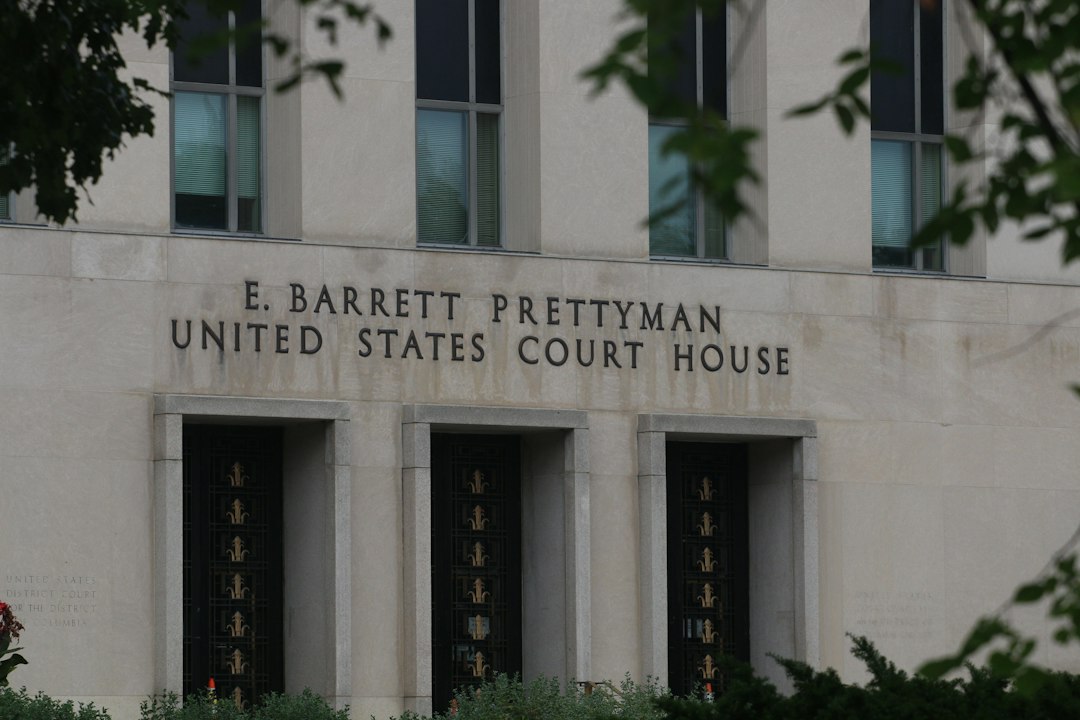
The indictment was unsealed in federal court in Manhattan. Attorney General Blanche delivered remarks on the charges on September 15, stating that the goal is to stop adversaries from unleashing violence on American soil. The case highlights the ongoing threat posed by foreign intelligence services seeking to destabilize democratic institutions and target political dissidents.
The five defendants have not been apprehended. Federal authorities are likely to continue international cooperation efforts to locate and prosecute those involved in these plots. The charges represent a significant escalation in legal action against Russian operatives accused of planning attacks on U.S. persons and NATO infrastructure.
The Justice Department’s move aligns with broader executive branch priorities to protect national security and uphold the rule of law against foreign adversaries. As the conflict in Ukraine persists, the threat of spillover violence remains a critical concern for American policymakers and intelligence agencies.
The indictment details specific financial transactions and communications that link the defendants to the plots. The use of cryptocurrency and encrypted messaging apps illustrates the evolving methods employed by state-sponsored actors to evade detection. Federal prosecutors are using these digital footprints to build their case against the network.
The charges against Yuri Khrameev, Kirill Khrameev, Oemis Romagoza Durruthy, Yaidel Delgado Suarez, and Angel Eduardo Castro serve as a warning to other foreign intelligence operatives. The United States remains committed to defending its sovereignty and protecting its citizens from external threats.
The case will proceed through the federal court system in Manhattan. Legal proceedings may take months or years, depending on the complexity of international evidence and extradition efforts. The Justice Department has signaled that it will pursue all available legal remedies to bring those responsible to justice.
The indictment also highlights the role of intermediaries in facilitating terrorist acts. Durruthy’s coordination of travel and payments demonstrates how financial networks support operational planning. Federal authorities are likely to continue investigating these financial channels to disrupt future plots.
The recruitment of U.S. residents for surveillance and assassination attempts underscores the reach of foreign intelligence services into American communities. The Justice Department’s action aims to deter such activities by demonstrating that those who plot violence against Americans will face severe legal consequences.
The charges reflect a coordinated effort between federal law enforcement and international partners. The case involves multiple jurisdictions and requires extensive cooperation with allied nations. The Justice Department has emphasized the importance of global collaboration in combating transnational threats.
The indictment provides a detailed account of the network’s activities, including specific dates, locations, and financial transactions. This level of detail is intended to establish the defendants’ involvement beyond reasonable doubt. Federal prosecutors are using this evidence to support their case in court.
The Justice Department’s action sends a clear message that the United States will not tolerate plots against its citizens or allies. The charges against the five Russian operatives represent a significant step in holding accountable those who seek to undermine American security and stability.