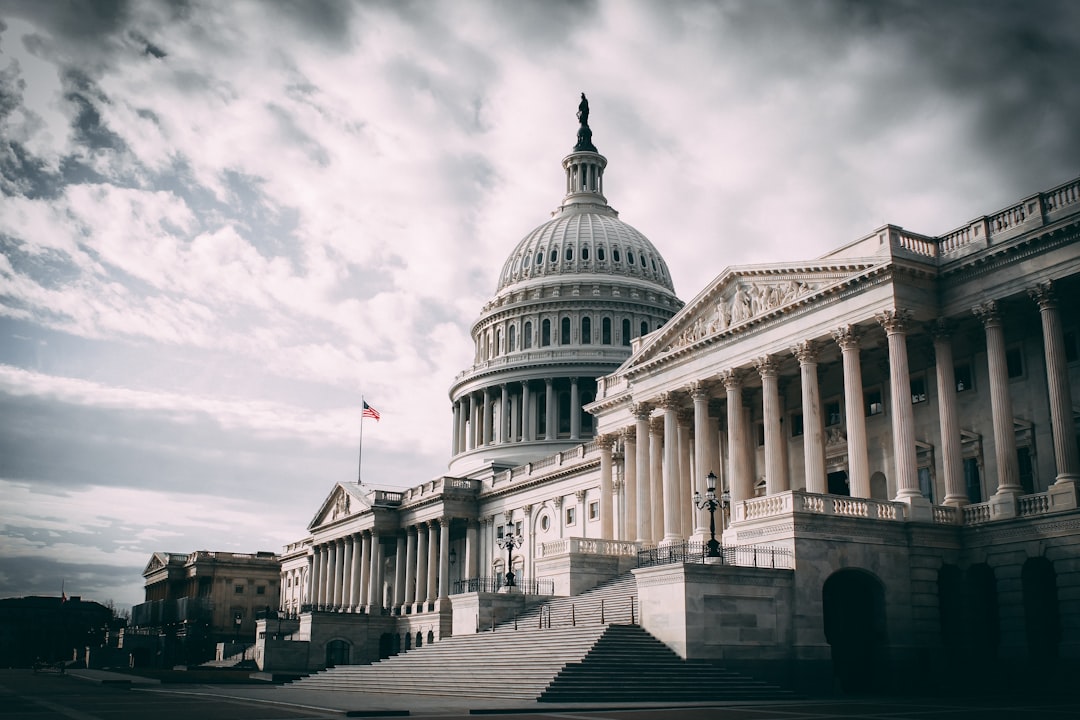
The U.S. House of Representatives failed for the third time to pass a resolution demanding an end to military operations in Iran, signaling that congressional efforts to check executive war powers remain stalled ahead of the midterm elections.
War Powers Resolution Falls Short
On Tuesday evening at 6:45 p.m. EDT, lawmakers voted 200-204 against a resolution designed to halt President Donald Trump’s military actions in Iran without explicit congressional approval. The measure, which had been advanced by Democratic Representative Seth Moulton, drew unanimous support from Democrats and a handful of Republicans but fell short of the majority needed to pass.
Moulton, a former Marine who served during the Iraq War, criticized the administration’s handling of the conflict. “Remember when Donald Trump said that this war would last just a few weeks?” Moulton asked on the House floor, highlighting the gap between campaign rhetoric and current military engagement.
The resolution is unlikely to reach President Trump’s desk, as the White House has indicated it will veto any such measure. This marks the third attempt by the House to rein in the administration’s use of force in Iran, with no prior vote succeeding. Lawmakers view this as likely the final opportunity to act on the issue before the November midterm elections shift legislative priorities.
Republican Pushback and Regional Concerns
Republican lawmakers opposed the resolution, arguing that military pressure remains necessary to counter Iranian threats. Brian Mast, chairman of the House Foreign Affairs Committee, questioned the practical implications of ending hostilities. “Enough is enough,” Mast said, though he also raised concerns about which military assets Democrats would withdraw from the region if the resolution passed.
Mast emphasized that Iran continues to pose a significant national security risk, suggesting that premature disengagement could embolden Tehran’s regional activities. His comments reflect broader Republican skepticism toward legislative constraints on presidential authority in foreign policy matters.
Military Aid to Israel Moves Forward
Amid the debate over Iran, the Trump administration announced plans to include one-ton bombs in a $2.8 billion military aid package for Israel. The decision reverses a previous stance under the Biden administration, which had withheld the weapons due to concerns about their potential use against Palestinian civilians in Gaza.
The shift underscores the new administration’s stronger alignment with Israeli defense needs and its willingness to override prior restrictions on lethal aid. Critics argue that the bombs could escalate civilian casualties, while supporters contend they are essential for Israel’s security against entrenched militant groups.
Kennedy Center Legal Victory
In a separate development, Democratic Congresswoman Joyce Beatty secured another court victory regarding the Kennedy Center. Beatty, a trustee of the institution, had previously sued to remove President Trump’s name from the center’s facade. A federal judge ruled in her favor, ordering the removal.
Trump reportedly reacted angrily to the decision, with aides describing his response as a “tantrum.” The case highlights ongoing tensions between political figures and cultural institutions over naming rights and symbolic recognition.
Michigan Senate Debate Skipped by Republican
In Michigan, Democratic nominee Dr. Abdul El-Sayed participated in a televised Senate debate in Detroit on Tuesday. His Republican opponent, Mike Rogers, did not attend the event, drawing criticism from El-Sayed’s campaign for avoiding direct confrontation with voters.
The absence of Rogers may impact perceptions of his candidacy, particularly among undecided voters who value face-to-face engagement. El-Sayed used the platform to outline his policy positions and contrast them with Rogers’ record.
Non-Citizen Voting Crackdown Intensifies
U.S. Attorney General Todd Blanche announced a “big development” in the administration’s crackdown on non-citizen voting. Ryan Raybould, U.S. attorney for the Northern District of Texas, revealed charges against seven individuals—six lawful permanent residents and one undocumented immigrant—for allegedly voting in federal elections over the past eight years.
The cases represent a significant escalation in enforcement efforts aimed at preserving election integrity. Prosecutors argue that non-citizen participation undermines democratic processes, while civil rights groups warn of potential chilling effects on eligible voters.
These developments illustrate the complex interplay between legislative oversight, executive action, and judicial review in shaping U.S. policy on war, foreign aid, cultural institutions, electoral integrity, and domestic politics.