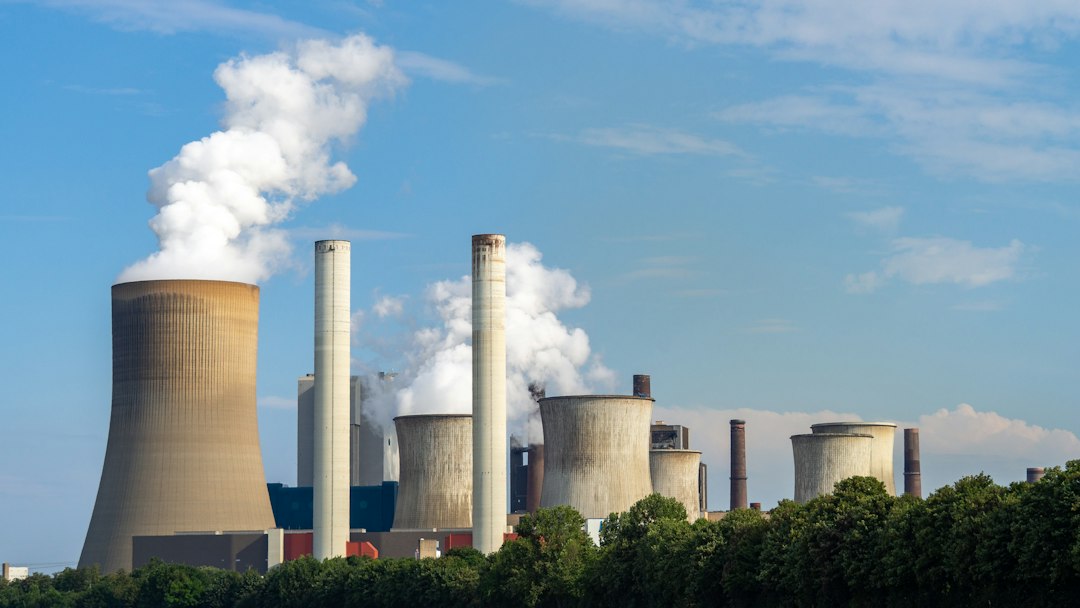
The Environmental Protection Agency moved Monday to dismantle federal greenhouse gas restrictions on the nation’s electric power sector, reversing a cornerstone climate policy established by the previous administration. EPA Administrator Lee Zeldin signed regulatory documents that revoke emission limits for coal and natural gas facilities, signaling a sharp pivot in federal energy policy.
Regulatory Rollback
The agency published two regulations in the Federal Register: a final rule partially repealing Biden-era Carbon Pollution Standards and a supplemental notice of proposed rulemaking intended to strip all greenhouse gas limits on fossil-fuel power plants dating back to 2015. The EPA stated that the previous standards, which targeted a 2032 compliance deadline, were not achievable. Agency officials also cited recent judicial rulings that restrict federal authority to regulate climate change.
Zeldin’s action follows his decision last year to repeal the agency’s “endangerment finding,” a legal determination that formed the foundation for federal climate regulations. The Monday release asserted that greenhouse gas emissions from power plants have no material impact on global climate change. This stance contrasts with an EPA webpage, last updated in December, which identifies electric power generation as the second-largest emitter of carbon dioxide pollution.
Economic Impact and Projections
The Trump administration frames the repeal as a necessary measure to lower energy costs, which officials attribute partly to geopolitical tensions involving Iran. The EPA projects that energy producers will save at least $310 million in compliance costs. Agency estimates suggest the regulatory shift could lead to a tenfold increase in coal power generation.
Zeldin emphasized the economic benefits for consumers. “Americans will see a decrease in electricity prices, but this is just the beginning,” Zeldin said.
Congressional Reaction
Critics argue the rollback ignores long-term economic risks associated with climate change. Rhode Island Sen. Sheldon Whitehouse, a leader on the Senate Environment and Public Works Committee, stated that the 2024 Biden rule would have saved approximately $20 billion annually by preventing climate disasters and reducing health care costs. Whitehouse argued that the EPA is overlooking significant financial burdens, including damage to buildings and infrastructure, property insurance spikes, agricultural losses, and long-term destabilization of the national economy.
Maryland Sen. Chris Van Hollen criticized the timing and motivation behind the policy shift. “It’s simple. Big Oil & Big Coal give millions to help get Trump elected. He lets them pollute more,” Van Hollen wrote.
Broader Policy Context
The repealed 2024 limits applied to virtually all power plants except those powered by wind, solar, or hydroelectric sources. The move marks a significant departure from the regulatory approach of both the Biden and Obama administrations, which sought to curb emissions from the fossil fuel sector. As the agency moves forward with stripping limits established since 2015, the debate over federal authority versus state-level energy management remains central to national policy discussions.
With the EPA now positioning itself against broad climate mandates, the trajectory of U.S. energy policy appears set toward prioritizing immediate economic relief over long-term emission reductions. The full implications of a tenfold increase in coal usage remain to be seen as utilities adjust to the new regulatory landscape.