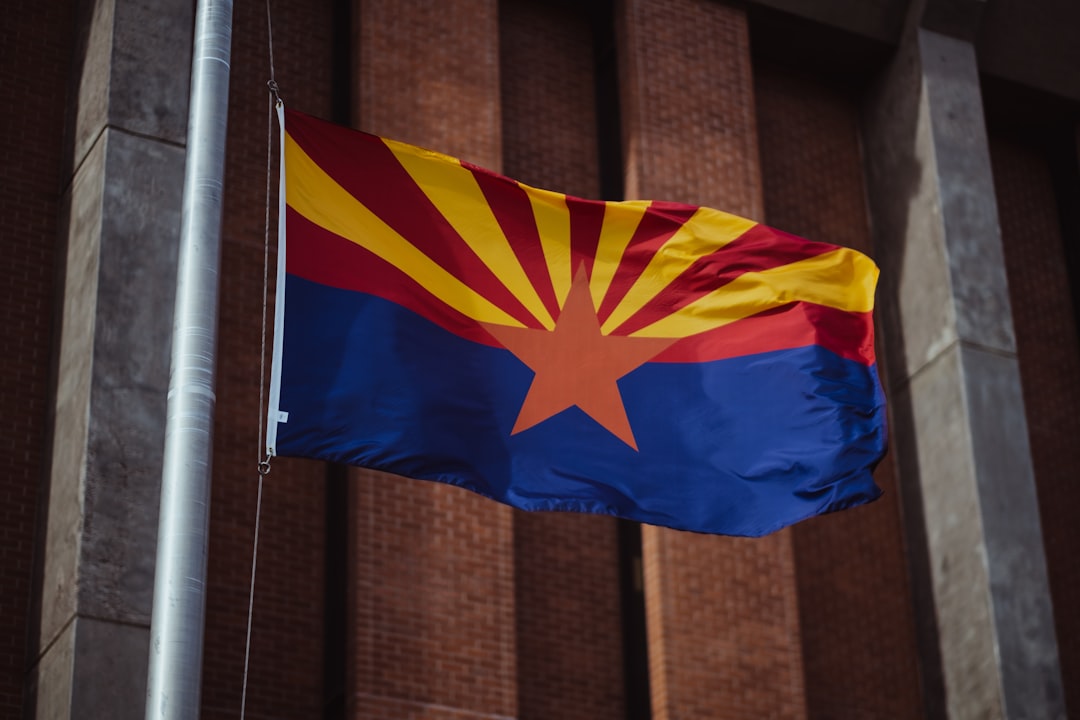
PHOENIX, Ariz. — Arizona Republicans have once again placed election skepticism at the center of their statewide ticket, nominating three candidates with direct ties to efforts to challenge the 2020 presidential outcome for governor, secretary of state, and attorney general.
The primary results set up a general election fight in one of the nation’s most closely watched swing states, where Democrats and the political establishment are already questioning whether the GOP’s choices will translate to November victories — or repeat the losses of 2022.
Who Won and What They Did
Rep. Andy Biggs secured the Republican nomination for governor, defeating his primary field to face Democratic incumbent Gov. Katie Hobbs in November. Biggs was an active participant in efforts to challenge the 2020 election result on January 6, 2021, and was subsequently subpoenaed as part of an Arizona-based investigation into those efforts.
State Rep. Alexander Kolodin won the Republican primary for secretary of state. Kolodin previously represented a slate of alternate electors in Arizona, filed lawsuits aimed at overturning the results of both the 2020 and 2022 elections, and faced professional discipline from the Arizona State Bar in connection with that legal work.
State Senate President Warren Petersen claimed the Republican nomination for attorney general. Petersen directed a taxpayer-funded audit of the Maricopa County election system following the 2020 contest, an inquiry that itself led to a subpoena.
Gov. Hobbs, who served as Arizona’s secretary of state during the 2020 election and oversaw its administration, ran unopposed in the Democratic primary. She will face Biggs at the top of the ticket this fall.
Echoes of 2022
The results drew immediate comparisons to the 2022 Republican primary cycle, when Arizona GOP voters nominated Kari Lake for governor, Blake Masters for U.S. Senate, and Mark Finchem for secretary of state — all of whom questioned the legitimacy of the 2020 results. All three lost their general elections.
Lake returned to the ballot in 2024 for a U.S. Senate race, and lost again. The back-to-back failures have prompted concern from within the party itself. Former Rep. Matt Salmon, a longtime Arizona Republican figure, offered a blunt assessment of what election denial does to a candidate: “It’s a stone around your neck.”
That warning has done little to shift the direction of Republican primary voters in the state, who once again elevated candidates defined substantially by their opposition to the 2020 outcome.
By the Numbers
Three: the number of top Arizona Republican nominees who challenged or litigated the results of the 2020 election.
Three for three losses: Arizona Republicans lost all three of their top-ticket races in 2022 with a similar slate of candidates.
Five-plus points: the margin by which Donald Trump carried Arizona in 2024 — a meaningful shift from 2020, when Fox News called the state for Joe Biden on election night and then-Gov. Doug Ducey took several weeks to formally acknowledge Biden’s victory.
Seven: the number of presidential swing states Hobbs cited when framing the stakes of the upcoming election. “Arizona is one of seven swing states that will decide the presidential election,” she said.
Ongoing: the criminal case against Republicans who posed as alternate electors in Arizona, facing charges of forgery, fraud, and conspiracy, remains active.
Broader Stakes
The Arizona results arrive at a complicated moment for the national debate over 2020. Just last Thursday, President Trump delivered a primetime address announcing the declassification of documents he says demonstrate Chinese interference in the 2020 election — a move that has reinvigorated discussion of the election’s legitimacy among Republicans heading into a competitive cycle.
For Arizona specifically, the question is whether a changed national environment — combined with Trump’s stronger 2024 performance in the state — creates conditions that differ from 2022, or whether nominating candidates whose public identities are rooted in contesting past elections remains a structural disadvantage in a swing state where margins are thin and independents are decisive.
The parallel legal proceedings, including the ongoing alternate electors case and past subpoenas tied to two of the three nominees, are likely to generate continued coverage and opposition research through November. Whether Arizona Republicans have found a winning formula or repeated a costly mistake will be answered in the general election.
Category: States | Tags: Elections, Arizona, Andy Biggs, Katie Hobbs