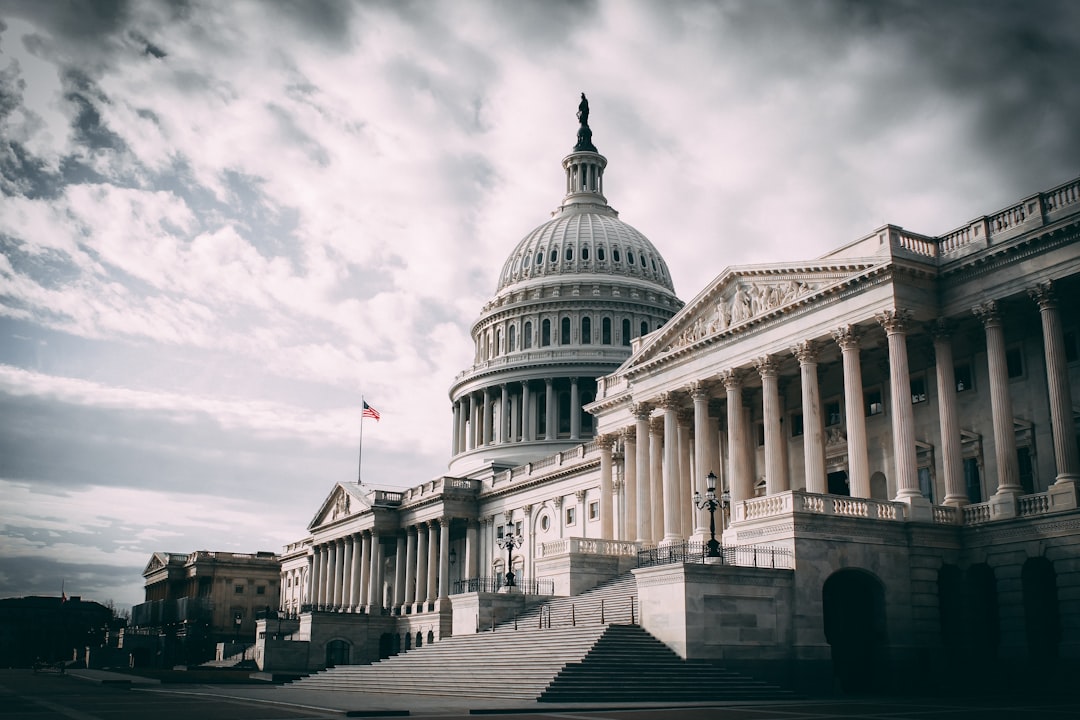
The U.S. House of Representatives advanced a major sanctions package targeting the Russian Federation on Wednesday, sending the legislation to President Donald Trump’s desk for signature. The measure, which passed with a 262-159 vote, marks a significant legislative effort to isolate Moscow economically and pressure President Vladimir Putin to end the war in Ukraine.
Bipartisan Support Meets Partisan Friction
The bill cleared the House after splitting lawmakers along party lines, though it secured enough cross-aisle support to advance. Fifty-eight Democrats joined the majority of Republicans to push the measure forward. Conversely, seven Republicans sided with most Democrats to block the legislation.
The Senate had already approved the package in August by an 86-11 margin. With both chambers now in agreement, the bill is poised for presidential action. The legislation carries the name of the late Sen. Lindsey Graham, R-S.C., who played a key role in negotiating Trump’s backing for the sanctions before his death.
Tariff Authority Sparks Debate
A central point of contention in the House was the provision granting the president authority to impose tariffs on nations that import significant amounts of Russian oil and natural gas. China and India are identified as primary targets under this mechanism.
Critics within the Democratic caucus argued the tariff power lacked sufficient constraints. Rep. Don Beyer, D-Va., warned that the language could allow the executive branch to levy duties of up to 100 percent on countries of its choosing without oversight or an expiration date. His concerns reflect broader anxieties among some lawmakers about unchecked executive discretion in trade policy.
Supporters, however, framed the sanctions as a necessary tool for national security and moral clarity. Rep. Michael McCaul, R-Texas, described the vote as a matter of principle, stating, “This is a moral issue that requires moral courage.”
Economic Pressure on Moscow
The sanctions target Russian officials, companies, and financial institutions accused of fueling the conflict. The goal is to degrade Russia’s capacity to sustain its military operations in Ukraine, where thousands of civilians have been killed since the invasion began in 2022.
By threatening secondary tariffs on major importers like China and India, the legislation aims to shrink the global market for Russian energy exports. This approach seeks to cut off revenue streams that fund the Kremlin’s war effort.
GOP Unity Tested
The vote highlights emerging fractures within the Republican caucus regarding U.S. support for Ukraine. While most Republicans backed the sanctions, the dissenting votes signal ongoing debate over the level of American involvement in the conflict. The bill’s passage nonetheless demonstrates a temporary alignment between the White House and congressional leaders on confronting Russian aggression.
The legislation now awaits Trump’s signature. If signed, it will expand the scope of economic penalties against Russia and empower the administration to penalize third-party nations that continue to purchase Russian energy resources.