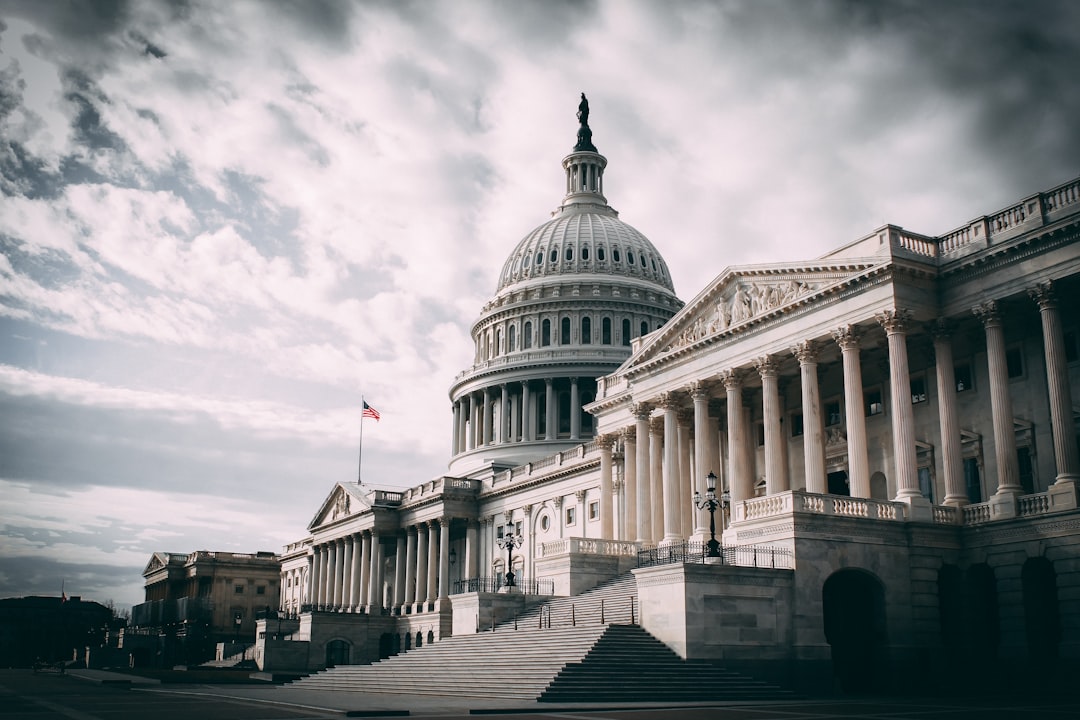
The 119th Congress is concluding with a level of personnel turnover that has not been seen in a century. Nearly one in five lawmakers who began their terms at the start of 2025 will not return to Washington next year, marking a historic shift in the composition of the federal legislature.
A total of 99 seats—83 in the House of Representatives and 16 in the Senate—are guaranteed to be filled by new members. This exodus was driven by record numbers of retirements, resignations, deaths, and primary defeats. The departures reflect a broader political realignment, with many incumbents choosing to leave federal office for state positions or facing rejection from their own party bases.
Primary Defeats and Runoffs
The primary season saw 13 incumbents defeated by challengers, signaling a volatile electorate. Texas Republican Rep. Dan Crenshaw became the first incumbent sent home by voters in this cycle. In Louisiana, Republican Sen. Bill Cassidy lost his May 16 primary to Trump-backed challenger Julia Letlow, who secured the nomination in a subsequent runoff.
Kentucky Republican Rep. Thomas Massie was ousted by Ed Gallrein, another candidate backed by President Donald Trump. The Democratic primaries also proved brutal for entrenched lawmakers. In New York, Reps. Adriano Espaillat and Dan Goldman were defeated on June 23 by candidates endorsed by Mayor Zohran Mamdani. A week later, longtime Colorado Rep. Diana DeGette was unseated by Melat Kiros.
Other notable primary losses included Michigan’s Shri Thanedar, who was defeated by Donavan McKinney in August, and Tennessee’s Andy Ogles, whose seat changed hands due to redistricting shifts that favored former state Agriculture Commissioner Charlie Hatcher. Connecticut Democratic Rep. John Larson fell to a younger challenger, while Florida Republican Cory Mills lost his primary while under investigation by the House Ethics Committee.
Runoff elections determined the fate of several other incumbents. Texas Sen. John Cornyn’s position was decided in a runoff, as were the seats for Texas Democratic Reps. Al Green and Christian Menefee. Menefee defeated Green in their contest. Louisiana’s House primaries were delayed until November 3 due to congressional redistricting issues.
Retirements and Resignations
Beyond primary defeats, 13 senators and 60 House representatives announced plans to retire or seek different offices. Longtime leaders Nancy Pelosi and Mitch McConnell announced their retirements, ending eras of dominance in both chambers. Minnesota Sen. Amy Klobuchar and Tennessee Sen. Marsha Blackburn are presumptive favorites to become governors, which would require them to resign from the Senate.
Six lawmakers died during this period: Sylvester Turner, Raúl Grijalva, Gerry Connolly, David Scott, Doug LaMalfa, and Lindsey Graham. An additional 16 members resigned or left office for other reasons. Republicans led in the number of retirements and resignations overall.
Of the more than 30 members who sought different jobs, just over half won their primaries. Many politicians cited a desire to flee Washington, D.C., opting instead for state or local offices. The unpopularity of the incumbent Trump administration among certain voter blocs and a Democratic push for younger lawmakers contributed to the high turnover rate.
Historical Context
The 2026 cycle saw more retirements or candidates running for other offices than any other election in the last century, except for the 1992 cycle. Record numbers of retirement announcements occurred earlier than ever before in the election cycle.
Despite the turnover, a significant portion of Congress has served since President Trump’s first term began in 2017. Almost two-thirds of the current Senate have been in office since then, and 44% of the current House share that tenure. More than 900 people have served in Congress since 2017.
The upcoming general election will feature dozens of competitive races where incumbents still face potential loss. The composition of the next Congress will reflect these dramatic shifts, with new members taking seats across both chambers and both parties.