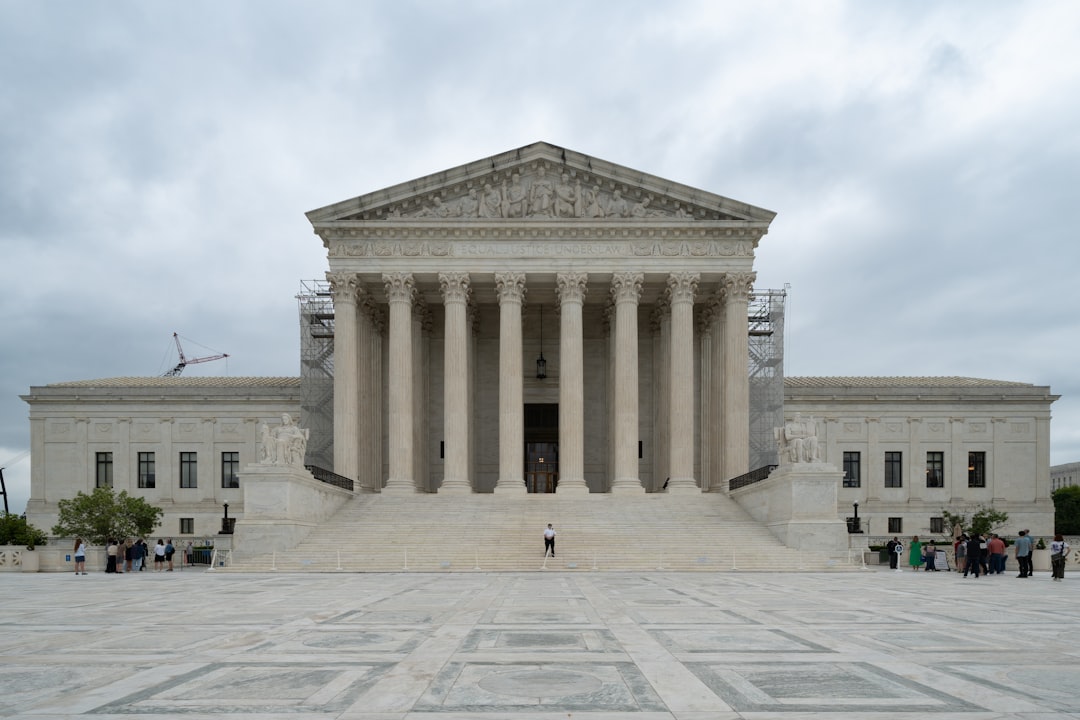
A federal judge has blocked President Trump’s August executive order restricting birthright citizenship, dealing the administration another legal setback on an issue that has already reached the Supreme Court, NBC News reported. U.S. District Judge Deborah Boardman issued a preliminary injunction Wednesday in a 35-page ruling, finding that the order “is almost certainly unconstitutional.”
The ruling marks the second time courts have moved to stop the administration from narrowing who qualifies for citizenship at birth. The Supreme Court blocked a separate Trump birthright citizenship order in June, following the president’s first attempt to limit the practice on his first day back in office, January 20, 2025.
What the August Order Did
Trump signed the August 6 executive order with a narrower scope than his original January 2025 directive. Rather than a sweeping restriction, the August order focused specifically on children born in the United States to parents classified as “alien enemies” and to foreign embassy workers. The administration argued it crafted the order to align with the Supreme Court’s earlier decision on the first order.
Attorney General Todd Blanche said the administration built the new order with the high court’s June ruling in mind. “We crafted the EO around, and in concurrence, and understanding what the Supreme Court said in their decision,” Blanche told NBC News. He added that the Justice Department would “continue to fight” and is prepared to return to the Supreme Court if necessary.
The plaintiff challenging the order is CASA Inc., a Maryland-based nonprofit organization. Judge Boardman had initially denied CASA’s request to block the August directive because the group’s complaint mistakenly referenced the earlier 2025 order rather than the new one. After CASA filed an updated complaint, Boardman granted the injunction. In her ruling, the judge wrote that the court “must, once again, preliminarily enjoin enforcement of the President’s most recent attempt to strip the right to citizenship from them.”
By the Numbers
The ruling ran 35 pages and was published Wednesday, September 3, 2026. Trump’s original birthright citizenship order was signed January 20, 2025. The Supreme Court acted against the first order in June of this year. The administration’s second attempt, the August 6 order, survived less than a month before being enjoined.
Administration Pushes Back
The White House did not accept the ruling quietly. Spokesperson Lauren Bis dismissed Judge Boardman as an “activist judge,” a characterization the administration has applied to multiple judges who have ruled against its immigration priorities.
Separately, the State Department has proposed a policy that would require parents to provide documentation proving citizenship or lawful immigration status before their children could receive U.S. passports, a move that tracks with the administration’s broader effort to tighten the definition of who is entitled to American citizenship by birth.
The Broader Stakes
The legal fight over birthright citizenship cuts to the heart of the Fourteenth Amendment, which guarantees citizenship to all persons born on American soil. The administration argues that the amendment was never intended to confer citizenship on children of those present in the country unlawfully or as representatives of foreign governments. Critics of that interpretation, including federal judges who have now twice halted Trump’s orders, contend the constitutional text leaves little room for executive restriction.
With two injunctions now on the books and the Supreme Court already having weighed in once, the administration’s path forward almost certainly runs through the high court again. Attorney General Blanche made clear the administration views that as an acceptable outcome. For conservatives who have long argued that birthright citizenship as broadly practiced is not constitutionally required, the stakes of a definitive Supreme Court ruling are significant, potentially reshaping immigration law in ways no executive order alone could achieve.
The case continues a pattern of courts delivering mixed and contested rulings on some of the administration’s most consequential immigration and constitutional moves. For more on recent court activity touching these issues, see Courts Deliver Mixed Rulings on Birthright Citizenship, Mail-In Ballots, and Hush Money Case.
Category: Constitution | Tags: Immigration, Supreme Court, White House, Trump